Orthodontic treatment has evolved significantly over the years. Today, patients are no longer limited to traditional metal braces to straighten their teeth. Modern options like Invisalign and braces provide effective, flexible solutions to achieve a healthy, confident smile.
The choice of your orthodontics depends on individual needs, lifestyle, and the severity of dental issues. Let’s break down the differences, benefits, and drawbacks of each to help you make an informed decision.
What Is Invisalign?
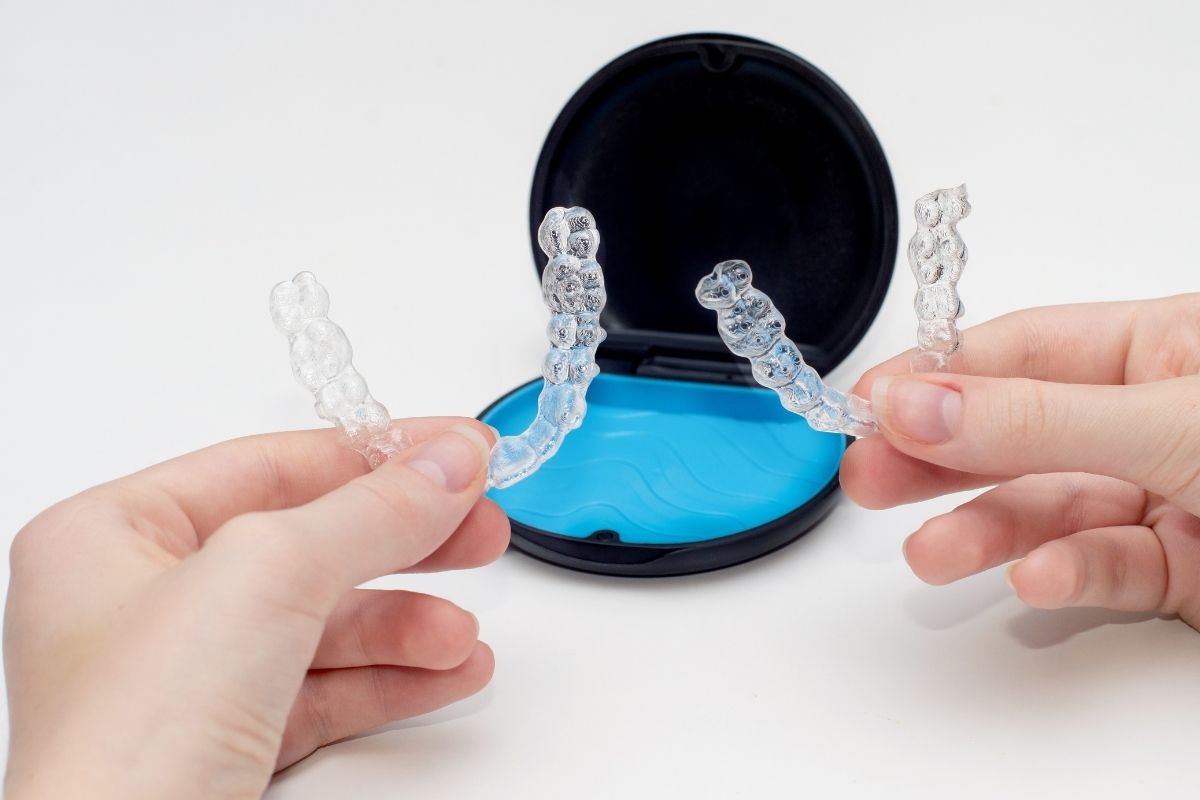
Invisalign is a modern orthodontic solution that uses a series of clear, removable aligners to gradually move teeth into their desired position. Each set of aligners requires changes every 1–2 weeks. It is virtually invisible, making it an appealing choice for those who want a discreet teeth-straightening option.
What Are Braces?
Traditional braces are metal brackets attached to the teeth and connected by wires. The orthodontist periodically tightens these wires to gradually shift teeth into proper alignment. In addition to metal aligners, there are ceramic (tooth-colored) and lingual braces (placed behind the teeth), which offer slightly more aesthetic alternatives.
Key Differences Between Invisalign and Braces
1. Appearance
One of the main reasons people opt for Invisalign is aesthetics. These clear aligners are nearly invisible, making them an excellent choice for adults or teens who feel self-conscious about wearing the traditional counterparts. Conventional metal brackets are more noticeable, although ceramic or lingual braces can be less conspicuous.
2. Comfort
Discreet aligners are made from smooth plastic, which is generally more comfortable than metal counterparts. Metal brackets can irritate the cheeks and gums, and minor adjustments may lead to soreness.
3. Removability
Invisalign aligners can be removed during eating, drinking, brushing, and flossing. This makes oral hygiene much easier than braces, requiring special flossing tools and careful cleaning around brackets and wires. On the other hand, braces are fixed and cannot be removed until the end of the treatment.
4. Treatment Time
The treatment time for Invisalign and braces can vary depending on the complexity of the case. Clear tooth straighteners are typically faster for mild to moderate alignment issues, with an average treatment period of 12–18 months. Metal Brackets may be necessary for more severe cases, such as significant crowding or bite problems, and the treatment can take 18–36 months.
5. Effectiveness
Braces are considered the gold standard for complex orthodontic problems. They are highly effective in correcting severe malocclusion, bite misalignment, and tooth rotation issues. Invisalign is effective for mild to moderate cases but may not always be suitable for more complex dental corrections.
6. Maintenance and Care
Discreet aligners require discipline since aligners must be worn consistently for optimal results. Forgetting to wear them can prolong treatment. Braces, being fixed, do not rely on patient compliance for daily wear, but they require careful oral hygiene to avoid plaque buildup, staining, or cavities around brackets.
7. Dietary Restrictions
Invisalign users can eat whatever they want since aligners are removable. Conventional tooth brackets have more dietary restrictions; sticky, hard, or chewy foods can damage brackets or wires.
8. Cost
The cost of both treatments can vary depending on the complexity and location. Generally, Invisalign is slightly more expensive than traditional metal braces, though the price difference has decreased over the years. Insurance coverage may also influence the overall cost. Discuss the overall package with your orthodontist before finalizing your option.
Pros and Cons of Invisalign & Braces
Benefits of Discreet Aligners
- Nearly invisible, discreet
- Removable for easy cleaning and eating
- More comfortable, no sharp metal edges
- Fewer office visits in some cases
Disadvantages
- Requires discipline and consistent wear
- May not be suitable for complex orthodontic cases
- May become lost or damaged if not treated with care.
Benefits of Metal Tooth Aligners
- Highly effective for severe dental issues
- No need to remember to wear them daily
- Variety of types: metal, ceramic, lingual
- Usually slightly less expensive than Invisalign
Disadvantages
- More noticeable appearance
- Can cause discomfort or irritation
- Dietary restrictions
- Oral hygiene is more challenging
Who Are The Right Candidates For Invisalign?
This orthodontic option is ideal for adults and teens with mild to moderate orthodontic issues who prioritize aesthetics and convenience. If you have a busy lifestyle and want to maintain good oral hygiene without the hassle of cleaning around brackets and wires, transparent tooth aligners could be a great option. However, it requires dedication to wearing the aligners as prescribed.
Who Are The Right Candidates For Braces?
Traditional brackets for teeth are better suited for patients with complex dental issues, such as severe overcrowding, bite misalignment, or rotated teeth. Braces are also a reliable choice for patients who may struggle with compliance, as they are fixed and continuously work to align teeth.
Choosing Between Invisalign and Braces: What Works Best for Your Smile
So, is Invisalign better than braces? The answer depends on your individual needs. Discreet aligners offer a more comfortable, aesthetic, and convenient option, but metal ones remain unmatched for complex orthodontic cases.
Schedule a consultation with our experts at Harvard Dental to explore the right option for you. Let us help you achieve the straight, confident smile you’ve always dreamed of.
FAQs
1. How long does Invisalign treatment take compared to braces?
Invisalign treatment typically takes 12–18 months for mild to moderate cases, while traditional braces can take 18–36 months, depending on the complexity of the dental issues.
2. Can Invisalign fix severe orthodontic problems?
Invisalign is most effective for mild to moderate alignment issues. Severe cases, like significant bite problems or rotated teeth, are usually better treated with braces.
3. Are there any dietary restrictions with Invisalign?
No. Invisalign aligners are removable, so you can eat and drink whatever you like. Braces, however, require avoiding sticky, hard, or chewy foods to prevent damage.
4. Is Invisalign more comfortable than braces?
Yes. Invisalign aligners are made of smooth plastic, causing less irritation to the gums and cheeks than metal braces, which can sometimes cause discomfort.
5. Do I need to wear Invisalign all the time?
For optimal results, Invisalign should be worn 20–22 hours daily. Removing them for meals and cleaning is fine, but skipping extended periods can prolong treatment.