

Tulsa Periodontal
Care & TreatmentThe primary etiological factor of periodontal disease, generally referred to as gum disease, is the presence of bacteria within dental plaque. If this bacterium is not consistently eliminated, it will gradually collect and lead to infection in the teeth, gums, and the underlying bone structure responsible for their stability, which is a common cause of tooth loss.
If left unaddressed, gum disease has the potential to rapidly progress and result in substantial harm. The good news is that Harvard Dental uses cutting-edge technology to find and treat periodontal disease. This lets the problem be found early and treated before it gets too bad. According to this, effective interventions can be started right away, which lowers the chance that complications will get worse later on.
Periodontal disease, often known as periodontitis, is a chronic inflammatory condition that affects the supporting structures of the teeth, including the gums, periodontal ligament, and alveolar bone.
Periodontal disease, often known as periodontitis, is a bacterial infection affecting the gingival tissues that can lead to significant dental deterioration if not properly addressed. Nevertheless, the situation doesn't need to remain as such. In order to mitigate any future problems, it is crucial to prioritize preventive and early action. By identifying indicators of periodontal disease during its initial phases and promptly addressing them, individuals can significantly enhance their prospects of maintaining long-term oral health.
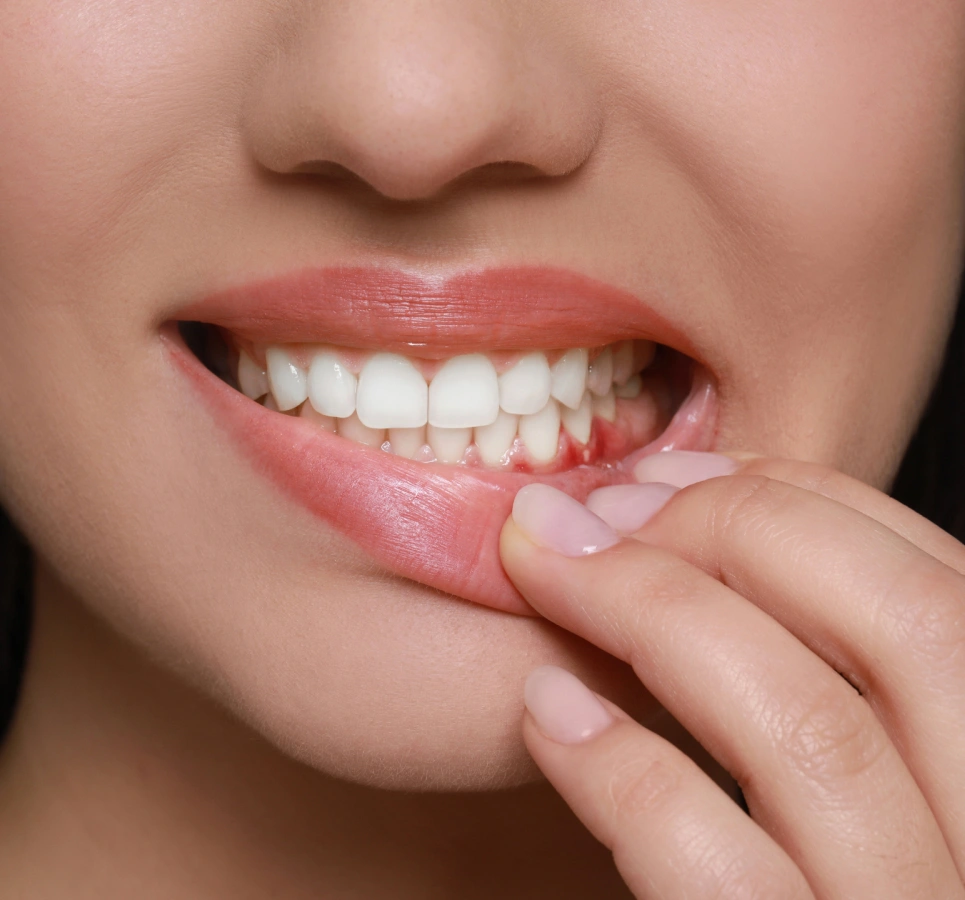
What are the indicators
of periodontal disease?Common manifestations of periodontal disease often encompass gingival inflammation, which can serve as a significant harbinger of compromised oral well-being.
- The condition known as receding gums refers to the progressive loss of gum tissue, resulting in the exposure of the tooth roots.
- The gums exhibit a reddened and sensitive appearance.
- The condition of having loose teeth.
- The condition of tooth loss refers to the absence or lack of teeth within the oral cavity.
- The experience of discomfort or pain during the act of chewing Halitosis, commonly referred to as bad breath.
The Classification
of Periodontal DiseaseTwo often observed types of periodontal disease are:

Gingivitis
Gingivitis serves as the preliminary stage in the progression of periodontal disease. At this particular juncture, it is possible to observe that the gingival tissue appears to be inflamed and tender, although it is fortunate that the dental structures remain intact. The expeditious initiation of therapy for gingivitis can lead to the restoration of gum health, underscoring the importance of seeking timely expert dental care to mitigate any potential exacerbation of the condition.

Periodontitis
Periodontitis represents an advanced stage of periodontal disease, typically emerging when gingivitis is left untreated. At this point, the infection extends deeper into the supporting structures of the teeth, including the bone and connective tissue. Clinical signs may include gum recession, persistent bad breath, and tooth mobility. Prompt professional intervention is crucial to manage the condition, prevent further damage, and preserve oral health, highlighting the necessity of early and consistent periodontal care.
What to Expect During Your Periodontal Therapy Visit
Your journey at Harvard Dental's dental office in Tulsa starts with a thorough exam. We'll discuss symptoms, review your health history, and map a plan. Treatments last 1-2 hours per quadrant, with mild sensitivity managed by over-the-counter aids.
Post-treatment, enjoy soft foods (think Tulsa classics like chicken-fried steak, modified), and follow our hygiene protocol. Most patients resume work the next day. Book an appointment now for a free consultation—we accept the Delta Dental Premier plan.
Why Harvard Dental is Tulsa's Top Choice for Periodontal Therapy
With over 20 years of serving Tulsa, Harvard Dental combines Ivy League-inspired expertise with Oklahoma warmth. Our team, led by Dr. Weilacher, holds advanced certifications in periodontology. We're conveniently located near I-44, with extended hours, ample parking, and family-friendly amenities.
Don't let gum disease dim your smile. Book an appointment at our dental office in Tulsa today.
How Plaque Causes periodontal disease?
Plaque can build up in the spaces between teeth and between the gums when you have periodontal disease, which shows how important it is to get the right dental treatment right away. As the duration of delay increases, the rate of progression and deterioration of this ailment will intensify. Engaging in proactive measures increases the likelihood of mitigating the adverse consequences of the phenomenon, thereby minimizing further harm.
If an individual’s gums exhibit signs such as swelling, redness, tenderness, or easy bleeding when brushing, they are probably afflicted with periodontal disease. An infection in the gums can also cause teeth to become loose because the roots are pulling away from the dental crowns, make it painful to chew because the gums are sore, and cause bad breath because bacteria are living below the gum line.
Do the symptoms you are experiencing indicate a potentially more severe condition? It is advisable to exercise caution and avoid any unnecessary risks. Schedule an appointment with Harvard Dental in Tulsa for a comprehensive checkup and diagnostic evaluation at your earliest convenience. Periodontitis is characterized by several often-observed indications, which include:
- The condition of having swollen or sore gums is commonly observed in individuals.
- Bleeding gums resulting from the act of brushing may serve as an indicator of both inflammation and infection, necessitating the implementation of preventive measures to mitigate potential future harm to the gums.
- Bacterial plaque is responsible for inducing irritation and inflammation in the gingival tissues.
Frequently Asked Questions
Periodontal therapy treats gum disease by removing infection and promoting healing. It's for anyone with signs like bleeding gums, swelling, or loose teeth—common in Tulsa due to our water quality and diets.
Minimal discomfort with local anesthesia and lasers. Many Tulsa patients compare it to a deep cleaning, with soreness lasting 1-2 days.
Typically 2-4 for non-surgical therapy, split over visits. Advanced cases may add surgery. We'll outline your plan upfront.
It stops progression and regenerates tissue; grafting addresses severe recession for cosmetic results.
Brush twice daily, floss, use antimicrobial rinses, and visit us quarterly. We provide Tulsa-specific tips, like humidifiers for dry winters.
Many patients benefit from maintenance visits every 3–4 months, depending on their condition and risk factors.