Every year, close to 58,500 Americans receive a diagnosis of oral or oropharyngeal cancer. Roughly one person in the United States dies from it every hour of every day. Despite these numbers, many people miss the early signs: a sore that won’t go away, a patch that looks different, or a lump that appeared out of nowhere. When caught early, survival rates improve significantly. That’s why paying attention to what’s happening inside your mouth can change your outcome.
At Harvard Dental in Tulsa, Dr. Jason Weilacher provides oral cancer screenings as part of a comprehensive approach to your oral health.
Dr. Weilacher grew up in Oklahoma and trained at the University of Oklahoma before completing his dental degree. He brings a patient-first mindset to every visit and stays current with continuing dental education throughout the year.
If you have noticed any unusual changes in your mouth or simply haven’t had a check recently, schedule a visit today.
What Is Oral Cancer?
Mouth cancer refers to cancer that develops in any part of the oral cavity. This includes the lips, tongue, gums, inner cheeks, the floor of the mouth, the roof of the mouth, and the back of the throat. It belongs to the broader category of head and neck cancers. Like most cancers, it responds best to treatment when found in the early stages, yet it gets diagnosed late far too often, because the early warning signs are easy to overlook or dismiss.
Common Causes and Risk Factors You Should Know About
Understanding what raises your risk is the first step toward protecting yourself. Several habits and health factors have a direct connection to mouth and throat cancer:
• Tobacco use – cigarettes, cigars, pipes, and smokeless tobacco all increase your risk. Smokeless tobacco is not a safe alternative.
• Heavy alcohol consumption – regular heavy drinking, especially when combined with tobacco use, raises the risk considerably.
• HPV infection – the human papillomavirus (particularly HPV16) now drives a growing share of oropharyngeal cancers, especially in younger adults who have never used tobacco.
• Prolonged sun exposure – extended UV exposure to the lips raises the risk of lip cancer.
• Age and sex – men develop this disease twice as often as women, and the risk increases with age, though younger people are now being diagnosed more frequently due to HPV.
• Poor diet and weakened immune system – low intake of fruits and vegetables and a compromised immune system may also contribute.
Warning Signs of Mouth Cancer You Should Never Ignore
The following signs don’t always mean cancer. But any one of them that lasts more than two weeks deserves professional attention. Do not wait for them to go away on their own.
1. Sores That Won’t Heal
Most mouth sores clear up within one to two weeks. If you have a sore on your lip, tongue, or inside your cheek that refuses to heal, that’s a sign worth investigating. Sores that bleed easily or grow larger over time should not be dismissed as a minor irritation.
2. Red or White Patches Inside Your Mouth
White patches (called leukoplakia) and red patches (called erythroplakia) on your tongue, gums, or inner cheeks are common early indicators of abnormal tissue changes. They often appear without pain, which is exactly why people ignore them. A trusted dentist in Tulsa can evaluate these patches and advise you on whether additional treatment is necessary.
3. Lumps, Swelling, or Thickening in the Mouth or Neck
Run your tongue along your inner cheeks, gums, and the floor of your mouth. If you feel a lump, a rough area, or a spot that feels thicker than usual, bring it to your dentist’s attention right away. Swelling in the neck, especially a lump that doesn’t go away, can indicate that cancer has spread to nearby lymph nodes.
4. Unexplained Pain, Numbness, or Bleeding
A persistent dull ache in your mouth, jaw, or ear with no clear cause should raise concern. Numbness or a loss of feeling in your mouth, lip, or tongue also warrants attention. Unexplained bleeding from the mouth that is not connected to recent dental work or injury is another warning sign that should not be brushed off.
5. Difficulty Swallowing, Chewing, or Speaking
If swallowing food or liquid suddenly becomes painful or uncomfortable, or if you find it harder to move your tongue or jaw, don’t assume it’s nothing. Voice changes, a chronic sore throat, or the sensation of something caught in the back of your throat are all signs that need professional evaluation.
6. Loose Teeth or Dentures That No Longer Fit Well
Teeth that loosen without any gum disease or injury, or dentures that suddenly stop fitting the way they used to, can point to changes in the bone or tissue structure beneath them. These changes warrant a careful review by your dental provider.
Why Early Detection Makes a Real Difference
The primary reason mouth and throat cancer carries such a high death rate is not that it’s impossible to detect. It’s because it’s found late, when treatment is harder, and outcomes are worse. When caught early, the five-year survival rate is significantly higher than when it’s discovered at a later stage. A routine mouth cancer check takes only a few minutes and involves no discomfort.
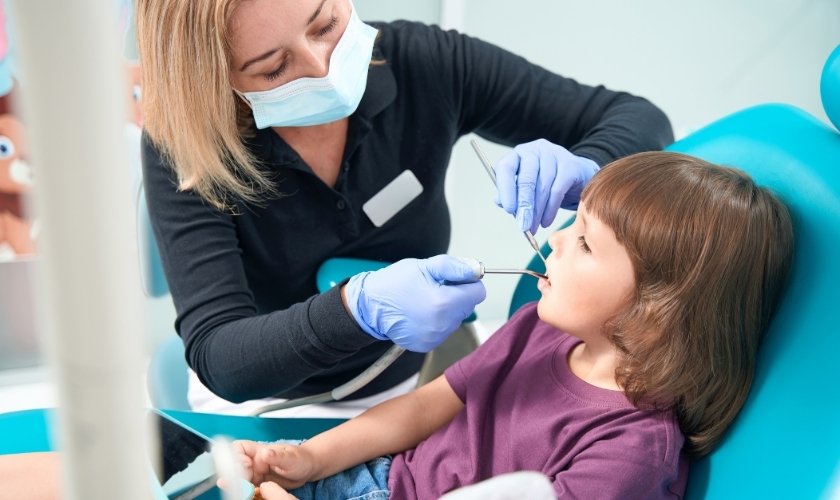
During an oral cancer screening, your dentist visually examines your lips, tongue, gums, the floor and roof of your mouth, and your throat. They also feel for lumps or enlarged lymph nodes in the neck. If anything looks or feels abnormal, they refer you for further testing, which may include a biopsy. The entire process is fast, painless, and potentially life-saving.
The American Cancer Society estimates about 60,480 new cases of oral cavity and oropharyngeal cancer in the United States in 2026 alone. Incidence rates have risen by roughly one percent per year since the mid-2000s. That upward trend makes regular mouth checks more important than ever.
Why Residents in and Around Tulsa Should Pay Attention
Life in Tulsa moves fast. Between work, family commitments, long commutes, and everything else on your plate, dental check-ups often fall to the bottom of the priority list. Many people in this region also have habits like tobacco use, regular alcohol consumption, and high-stress lifestyles that can quietly raise risk over time. Teens and young adults may not think mouth cancer affects them, but HPV-related cases in younger age groups are increasing nationwide.
Whether you’re a high school student, a working adult, or a senior living in Tulsa or the surrounding communities, a quick oral exam each year is one of the simplest ways to protect your health.
Get Your Mouth Checked at Harvard Dental
If you have noticed any of the warning signs above, or if you haven’t had a mouth cancer screening recently, visit our dental office in Tulsa.
Dr. Jason Weilacher and the team provide thorough mouth examinations in a comfortable, welcoming setting. We serve patients from Tulsa, Midtown, Utica Square, and surrounding areas.
Don’t Wait! Your Mouth Is Trying to Tell You Something
Life in Tulsa keeps most people moving at a non-stop pace. Fast food on the go, long hours, weekend cookouts with a few extra drinks, these are part of everyday life here. But the cumulative effect of tobacco, alcohol, UV exposure, and even HPV exposure means that your oral health deserves regular attention. Mouth cancer doesn’t always hurt in its early stages. It doesn’t always look alarming. That’s what makes it so dangerous.
Don’t put off a simple check that could save your life. Call us to book an appointment at Harvard Dental today. Reach us at 918-742-2488 or visit us at 3520 East 31st Street, Tulsa, OK 74135. Take a few minutes today, your future self will thank you.
Frequently Asked Questions (FAQs)
How do I know if a mouth sore is something serious?
Most mouth sores heal within one to two weeks. If your sore lasts longer than that, grows larger, or bleeds easily, you should have it checked by a dental professional right away. Early evaluation is always the safer choice.
Can young people get oral cancer?
Yes. While this disease historically affected people over 40, HPV-related cases are now being diagnosed in younger adults and even teenagers. If you are young but notice any unusual changes in your mouth, do not assume you are not at risk; see a dental professional for an evaluation.
What happens during a mouth cancer check at the dentist?
Your dentist will visually examine your lips, tongue, cheeks, gums, the floor and roof of your mouth, and your throat. They will also gently feel along your jaw and neck for unusual lumps. The process is quick, painless, and requires no special preparation on your part.
How often should I have a mouth cancer check?
Most dental professionals recommend a mouth examination at least once a year, often as part of your regular dental check-up. If you use tobacco, drink heavily, or have a history of HPV, your dentist may recommend more frequent checks. A quick conversation at your next visit can help you figure out the right schedule.
Are red or white patches inside the mouth always dangerous?
Not always, but they should never be ignored. White patches (leukoplakia) and red patches (erythroplakia) are considered precancerous in many cases. A dental professional can examine the area and decide whether a biopsy is needed to rule out abnormal cell growth.
I don’t smoke or drink. Can I still develop mouth cancer?
Yes. HPV infection is now one of the leading causes of oropharyngeal cancer, and it can affect people who have never used tobacco or alcohol. Other factors, such as sun exposure, diet, and immune health, also play a role. A routine dental check is the best way to catch problems early, regardless of your lifestyle.
Is a mouth cancer check painful?
No. A standard mouth examination is completely painless. Your dentist uses a light and a mirror to look inside your mouth and gently feels along your jaw and neck. The whole process usually takes just a few minutes and requires no shots or procedures.
What should I do if I notice a warning sign?
Do not wait to see if it goes away on its own. Book a dental appointment as soon as possible so a professional can evaluate the area. Catching any problem in its early stages gives you the best chance of a positive outcome, and the process starts with a simple examination.