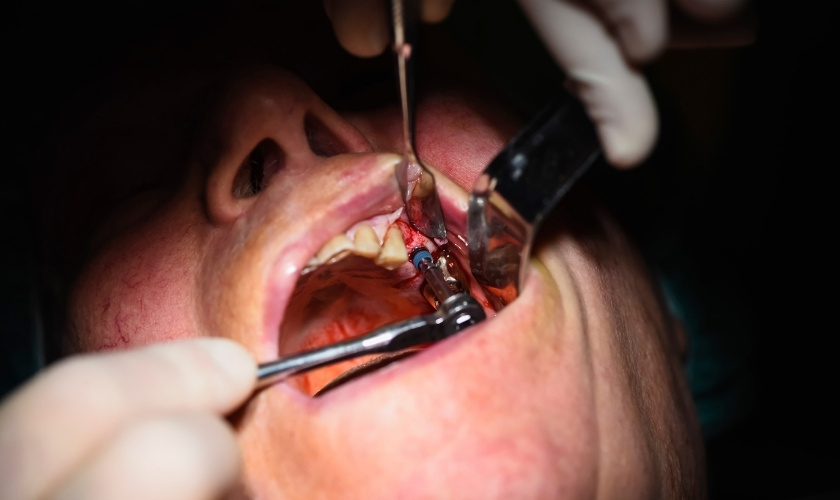
Is your ear aching after having a tooth removed? Mild ear discomfort can occur during recovery, especially after a back molar or wisdom tooth is removed. The mouth, jaw, and ear have closely connected nerve pathways. Because of this connection, discomfort from the extraction area may sometimes feel as though it is coming from the ear.
However, increasing or severe ear pain deserves attention. It can sometimes point to dry socket, infection, or another healing problem.
For patients recovering from a tooth removal, understanding what is normal can make recovery less stressful. This guide explains why ear pain develops, what you can do at home, and when you should have your symptoms checked by a dentist.
Is Ear Pain Normal After Tooth Extraction?
Yes, mild ear pain can be normal after tooth extraction, particularly during the first few days. Pain from the healing socket or surrounding jaw tissues may travel toward the ear. This is known as referred pain.
The discomfort should generally become easier to manage as the extraction site heals. Pain that becomes stronger instead of improving requires a different approach.
The American Association of Oral and Maxillofacial Surgeons notes that severe pain radiating toward the ear, eye, neck, or temple can occur with dry socket.
Why Can a Tooth Extraction Cause Ear Pain?
Several factors can explain why your ear hurts even though the dental procedure occurred inside your mouth.
Referred Pain From Shared Nerve Pathways
Your teeth, jaw, and parts of your face share interconnected sensory nerve pathways. Your brain may not always identify the exact source of irritation.
As a result, inflammation around an extraction site may cause discomfort that seems to radiate to the ear. This can be especially noticeable after a lower back tooth is removed.
Jaw Muscle Soreness
Your mouth may remain open for an extended period during a dental procedure. This can temporarily strain the muscles surrounding the jaw.
You may notice soreness while chewing, yawning, or opening your mouth widely. That discomfort can also extend toward the area in front of the ear.
Normal Post-Procedure Inflammation
Some swelling and tenderness are expected during early healing. Harvard Dental explains that mild discomfort, swelling, or light bleeding may occur during the initial healing period following an extraction.
Inflamed tissues around the extraction site can temporarily make the jaw and nearby areas feel sore.
Could Ear Pain Be a Sign of Dry Socket?
Dry socket is a common cause of intense pain following tooth extraction.
After the tooth is removed, a blood clot normally develops inside the empty socket. This clot protects the underlying bone and nerves while new tissue begins forming.
Dry socket, also called alveolar osteitis, develops when the blood clot breaks down or is dislodged too early. Exposed bone and nerves can produce significant pain.
Possible warning signs include:
- Severe or throbbing pain several days after the procedure
- Pain spreading toward the ear, temple, eye, or neck
- An unpleasant taste or odor
- Visible bone within the socket
- Pain that worsens after initially starting to improve
A common scenario is a patient who feels reasonably comfortable shortly after treatment but develops stronger, radiating pain several days later. That change in the pain pattern is more concerning than mild soreness that steadily improves.
The dentist should evaluate symptoms that suggest dry socket rather than relying solely on home remedies.
How Can You Tell Normal Healing Pain From a Problem?
The pattern of your symptoms often provides more useful information than pain alone.
Normal post-extraction discomfort generally becomes more manageable as healing progresses. You may still notice tenderness around the socket, mild swelling, or jaw soreness.
Contact your dentist when you notice:
- Pain that becomes progressively stronger
- New swelling after swelling had started improving
- Foul taste or odor
- Drainage from the extraction area
- Fever or swollen glands
- Persistent bleeding
- Difficulty swallowing or opening your mouth
- Severe pain extending toward your ear or temple
New or worsening swelling, discharge, foul taste or odor, fever, or pain that worsens after an initial improvement are reasons to contact a dental or surgical provider.
If you cannot tell whether your symptoms are part of normal healing, your Tulsa dentist can examine the socket and determine the cause of the discomfort. You can also book an appointment rather than waiting for your symptoms to worsen.
What Can You Do for Ear Pain After an Extraction?
Protecting the extraction site is central to a comfortable recovery.
Follow the post-operative instructions provided by your dentist. These directions may vary depending on which tooth was removed and whether you had a simple or surgical extraction.
Helpful measures may include:
- Use pain medication only as directed by your dental or medical provider.
- Choose soft foods that require minimal chewing.
- Avoid smoking and other tobacco products while the socket heals.
- Avoid drinking through straws during early recovery.
- Keep your mouth clean without aggressively brushing the socket.
- Avoid vigorous rinsing that could disturb the blood clot.
- Rest and avoid activities your dentist has advised against.
The AAOMS recommends protecting the blood clot by following postoperative instructions, avoiding tobacco, avoiding vigorous rinsing, and not using straws during early recovery.
Our dental practice also advises protecting the blood clot while gradually returning to normal oral hygiene as healing progresses.
If ear discomfort continues despite following your aftercare instructions, a follow-up examination can determine whether the socket is healing as expected.
How Does a Dentist Treat Persistent Ear Pain After Extraction?
Treatment depends on the causes behind the pain. If your symptoms are part of the routine healing process, your dentist may examine the area and provide additional aftercare guidance. Jaw muscle soreness may also improve as inflammation settles and normal jaw movement returns.
When dry socket is present, professional treatment may include cleaning the socket and placing a medicated dressing to help manage discomfort.
If an infection or another complication is suspected, the dentist will determine the appropriate treatment after examining the extraction site.
This distinction matters because ear pain itself is a symptom, not a diagnosis. Identifying its source allows treatment to address the actual problem.
Can Ear Pain After Tooth Extraction Be Prevented?
Not every episode of referred discomfort can be prevented. However, protecting the blood clot and extraction site may reduce the likelihood of complications.
After your tooth extraction, avoid activities that put unnecessary pressure or trauma on the socket. Do not aggressively rinse, spit, smoke, or use a straw during the period your dentist tells you to avoid them.
Food choices matter as well. Soft foods can reduce irritation during early healing, while hard, crunchy, spicy, or acidic foods may irritate the surgical area.
Following your specific aftercare instructions remains more important than following a generic recovery timeline.
When Should You See a Dentist for Ear Pain?
Mild discomfort that steadily improves can often be monitored while you follow your post-operative instructions. Severe, persistent, or worsening pain should be evaluated.
Do not assume significant ear pain is simply part of healing when it appears several days later, becomes more intense, or occurs with swelling, discharge, fever, bad taste, or bad breath.
Professional evaluation can distinguish ordinary referred pain from dry socket, infection, or another dental problem.
Get Support During Your Tooth Extraction Recovery
Ear discomfort after a tooth removal does not automatically mean something has gone wrong. Mild referred pain and jaw soreness can occur during healing. What matters most is whether your symptoms gradually improve or worsen.
Harvard Dental provides extraction care and post-treatment guidance for patients in Tulsa. The practice emphasizes careful evaluation, patient comfort, clear aftercare instructions, and follow-up support throughout recovery.
If you need an evaluation or are considering a tooth extraction, visit our dental office and speak with Dr. Weilacher about your concerns. For professional care focused on making the procedure and recovery as comfortable as possible, call 918-742-2488 to schedule your visit.
Frequently Asked Questions
1. How Long Can Ear Pain Last After Having A Tooth Removed?
Mild referred discomfort may occur during the first few days while the extraction area and surrounding tissues recover. The key is that symptoms should trend toward improvement. If pain worsens, radiates further, or returns after initially improving, contact the dental office for an examination rather than assuming the discomfort is normal.
2. Why Does My Ear Hurt When The Extraction Was In My Mouth?
The mouth, jaw, and nearby facial structures have connected sensory nerve pathways. Your brain can sometimes perceive dental pain as coming from another nearby area. This phenomenon is called referred pain. Jaw muscle soreness and inflammation around the extraction site may also contribute to discomfort near the ear.
3. Does Severe Ear Pain Always Mean I Have a Dry Socket?
No. Ear pain alone cannot confirm dry socket. However, severe throbbing pain that develops within several days and radiates to the ear, temple, eye, or neck is a recognized symptom of dry socket. A dental examination is the appropriate way to identify the cause and determine whether treatment is necessary.
4. Should I Wait For Ear Pain To Disappear On Its Own?
Mild discomfort that steadily improves can often be monitored according to your dentist’s recovery instructions. Do not simply wait if the pain is severe, worsening, or accompanied by swelling, fever, discharge, foul taste, or bad breath. Contact the dental office so the healing socket can be evaluated.
5. What Should I Avoid If My Extraction Site Still Hurts?
Avoid smoking, straws, vigorous rinsing, and activities that may disturb the healing socket. Choose softer foods and keep the rest of your mouth clean without aggressively brushing the extraction area. Always follow the instructions provided after your procedure, as recovery recommendations can differ depending on the complexity and location of the extraction.