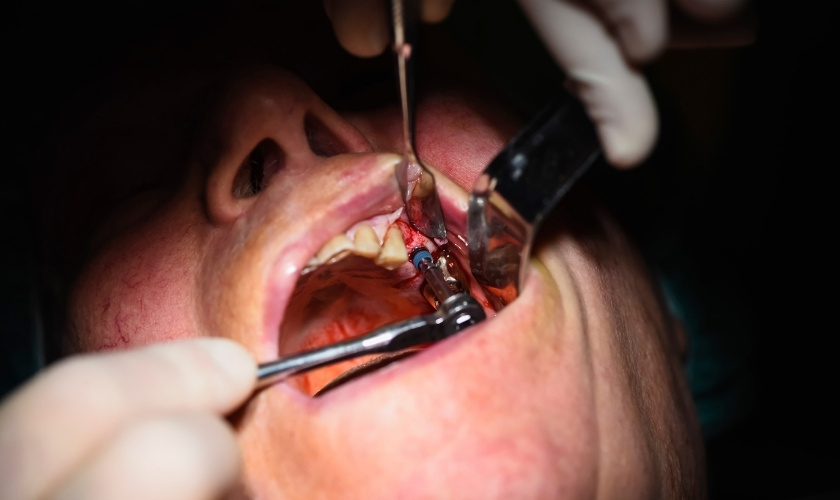
Having a tooth removed is a common dental procedure, but seeing blood afterward can make many patients uneasy. The good news is that a small amount of bleeding is expected during the early stages of healing. Knowing the difference between normal bleeding and signs that require professional attention can help you recover with confidence. If you’ve recently had a tooth extraction in Tulsa, understanding the healing process is the first step toward a smoother recovery.
Why Bleeding Happens After a Tooth Extraction
When a tooth is removed, the surrounding tissues and small blood vessels are affected. Your body naturally forms a blood clot in the extraction site to stop the bleeding and protect the underlying bone and nerves. This clot plays a vital role in healing.
During the first few hours, you may notice light bleeding or pink-tinged saliva. This is a normal part of the recovery process and usually decreases as the clot becomes stable.
What’s Considered Normal Bleeding?
Most patients experience mild bleeding for several hours after the procedure. Common signs of normal healing include:
- Slight oozing that gradually slows down
- Pink saliva when spitting
- Minor blood stains on gauze
- Bleeding that improves after biting firmly on fresh gauze
Some people may notice a little oozing for up to 24 hours, especially after eating, talking, or brushing near the extraction site. As long as the amount continues to decrease, it’s generally not a cause for concern.
Signs That Bleeding May Not Be Normal
Although some bleeding is expected, certain symptoms should not be ignored. Contact your dentist if you notice:
- Heavy bleeding that soaks through multiple gauze pads quickly
- Bright red blood flowing continuously for several hours
- Large blood clots forming repeatedly
- Bleeding that returns after it had already stopped
- Severe swelling or increasing pain along with persistent bleeding
- Dizziness or weakness caused by blood loss
These symptoms may indicate that the clot has become dislodged or that another issue needs prompt dental evaluation.
Tips to Reduce Bleeding After Tooth Removal
Following your dentist’s instructions carefully can help control bleeding and support faster healing.
Bite Firmly on Gauze
Keep gentle but steady pressure on the gauze for about 30 to 60 minutes. Replace it only if necessary, following your dentist’s recommendations.
Keep Your Head Elevated
Rest with your head slightly raised using extra pillows. This helps reduce blood flow to the extraction site and minimizes bleeding.
Avoid Smoking and Straws
The suction created while smoking or drinking through a straw can disturb the protective blood clot, increasing the risk of bleeding and dry socket.
Limit Physical Activity
Avoid strenuous exercise for at least 24 to 48 hours. Increased blood pressure from heavy activity may restart bleeding.
Eat Soft Foods
Choose foods like yogurt, mashed potatoes, applesauce, and soup that require little chewing. Avoid crunchy, spicy, or extremely hot foods until healing progresses.
Protecting the Blood Clot
The blood clot is essential for proper healing. Losing it too early can lead to a painful condition called dry socket. To protect the clot:
- Avoid vigorous rinsing during the first 24 hours.
- Do not touch the extraction site with your fingers or tongue.
- Follow your dentist’s instructions for oral hygiene.
- Stay hydrated while avoiding activities that create suction.
Simple precautions can significantly reduce complications and support comfortable healing.
When to Contact Your Dentist
Most bleeding settles within a day. However, if pressure with clean gauze does not control the bleeding after several hours, or if you develop severe pain, swelling, fever, or difficulty swallowing, seek dental care as soon as possible.
At Harvard Dental, we understand that recovery concerns can happen after any extraction. Our team is committed to helping patients throughout Tulsa heal safely and comfortably. If you have questions after your procedure or experience unusual bleeding, call us at918-742-2488 for guidance.
Supporting a Smooth Recovery
Healing after a tooth extraction varies from person to person, but understanding what’s normal helps reduce unnecessary worry. Mild bleeding and slight oozing are expected during the first several hours, while heavy or persistent bleeding deserves prompt professional attention. By following your post-operative instructions and protecting the blood clot, you can promote faster healing and reduce the risk of complications.
If you’re looking for trusted dental care, check our reviews and visit our dental clinic to learn how our team supports patients before, during, and after tooth extractions.
Frequently Asked Questions
1. How long should bleeding last after a tooth extraction?
Light bleeding or slight oozing is common for several hours after extraction. Small amounts of pink saliva may continue for up to 24 hours while the protective blood clot stabilizes.
2. Is it normal to see blood in my saliva the next day?
Yes. Slight pink or lightly blood-tinged saliva the following day can be part of normal healing, especially after eating or brushing carefully near the extraction area.
3. What should I do if the gauze fills with blood quickly?
Replace it with fresh gauze and bite down firmly for about 30 to 60 minutes. If heavy bleeding continues despite pressure, contact your dentist for further evaluation.
4. Can drinking through a straw cause bleeding?
Yes. The suction from a straw may dislodge the healing blood clot, causing renewed bleeding and increasing the chance of developing a painful dry socket.
5. When can I rinse my mouth after the extraction?
Avoid vigorous rinsing during the first 24 hours. After that, gentle saltwater rinses may be recommended to help keep the area clean without disturbing healing.
6. Does exercise increase bleeding after tooth removal?
Strenuous physical activity can raise blood pressure and restart bleeding. Resting for the first 24 to 48 hours helps the extraction site heal more effectively.
7. When should I be concerned about bleeding after an extraction?
Seek dental care if bleeding remains heavy for several hours, forms large clots repeatedly, or occurs with severe pain, swelling, fever, or feelings of dizziness.