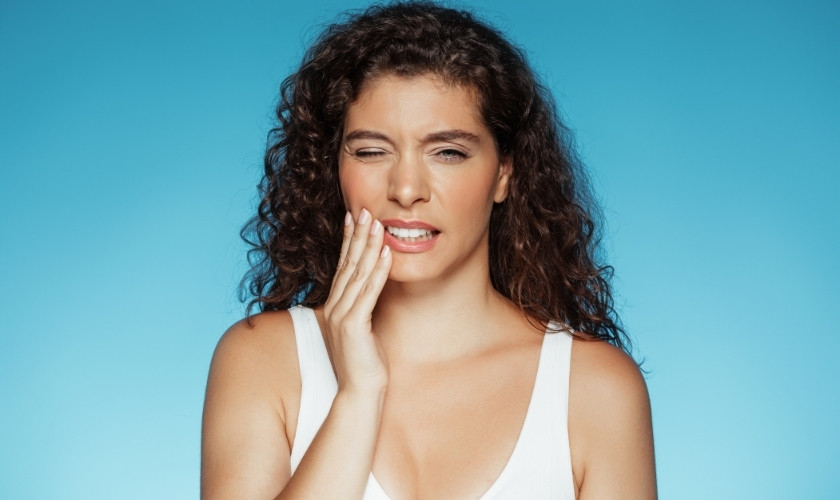
A toothache when biting down can be a troubling experience. It signals that something is not quite right with your dental health. Whether it’s a sharp discomfort or dull ache, understanding the causes helps you take the right steps toward relief. The city’s vibrant culture, from the annual Tulsa State Fair to its mouthwatering local food scene, offers many activities and experiences. These are best enjoyed without the distraction of tooth pain. If you’re dealing with this issue, it’s important to address it as soon as possible. Keep reading to learn more about the causes of tooth pain and how cosmetic dentistry specialist can fix it.
What Causes Tooth Pain When Biting Down?
Tooth pain when biting down can stem from various underlying issues. It’s crucial to understand the potential causes so you can seek proper care and avoid further damage.
1. Tooth Decay or Cavities
Cavities, common causes of bite pain, develop when tooth decay erodes the enamel, allowing decay to reach deeper into the tooth. This can affect inner layers, including the pulp, which contains nerves and blood vessels, leading to increased discomfort or sensitivity, especially when biting. If untreated, cavities can worsen, causing more severe pain or infection, requiring prompt dental care.
2. Cracked or Fractured Teeth
A cracked or fractured tooth can lead to significant discomfort, especially when pressure is applied during biting or chewing. The crack may initially be minor and difficult to notice, but it has the potential to worsen over time if left untreated. Even a small crack can expose the sensitive nerves inside the tooth, resulting in pain, heightened sensitivity, or discomfort when eating or drinking.
3. Gum Infection or Gum Disease
When gums become infected or inflamed, it can cause increased sensitivity and discomfort, especially when chewing or applying pressure. Infections such as periodontitis can also impact the roots of the teeth, causing more intense pain when biting down or putting stress on the affected teeth. These conditions may also result in swelling, bleeding, or receding gums, further compromising oral health.
4. Tooth Sensitivity
Tooth sensitivity is common, causing discomfort with hot, cold, or acidic foods, and when biting or applying pressure. It occurs when enamel wears down or due to other factors, exposing sensitive dentin. Factors like grinding, aggressive brushing, or dental procedures can increase erosion and sensitivity.
5. Dental Fillings or Restorations
Older dental fillings or restorations can wear down gradually over time, which may lead to increased discomfort when biting or chewing. If the filling becomes loose or develops cracks, it can irritate the surrounding tooth structure, potentially causing pain or sensitivity while eating or drinking. Such issues can also increase the risk of further decay or infection if not addressed promptly.
6. Teeth Grinding (Bruxism)
If you grind or clench your teeth during the night, it can put significant pressure on your teeth, which may result in tooth pain or discomfort. Over time, this persistent grinding can weaken the tooth structure, increasing the risk of fractures, cracks, or heightened sensitivity. Additionally, this habit can lead to wear and tear on the teeth, potentially requiring dental treatment to repair the damage caused.
7. Abscess or Infection in the Tooth
A dental abscess or infection can lead to significant and persistent pain when biting down or applying pressure. Typically, the infection is found at the root of the tooth, resulting in a throbbing, often sharp pain that tends to worsen with touch or pressure. This discomfort may be accompanied by swelling, sensitivity to hot or cold, and sometimes a foul taste or odor if an abscess forms and begins to drain.
How to Manage Tooth Pain When Biting Down?
If you’re experiencing tooth pain, it’s essential to take steps to manage it and seek treatment. Here are a few strategies to consider:
- Avoid hard or chewy foods that could further irritate the tooth.
- Use warm saltwater rinses to reduce inflammation and help with healing.
- Apply a cold compress to the affected area to relieve pain and swelling.
- Over-the-counter pain relief may help manage discomfort until you can see a dental practitioner.
- Visit your dental professional as soon as possible for a thorough evaluation and proper treatment.
If the pain persists for more than a few days, it’s time to seek professional care. Delaying treatment could lead to complications such as worsening tooth decay or a more severe infection.
Treatment Options for Tooth Pain When Biting Down
If you’re experiencing tooth pain when biting down, there are several treatments that can help restore comfort and function to your smile.
Endodontic Treatment
For pain from deep tooth decay, cracks, or pulp infections, a root canal may be needed. This procedure removes the infected tissue, relieves pain, and seals the tooth to prevent further infection. It allows your tooth to function normally again.
Veneers
If your tooth pain is due to cracked, chipped, or worn-down teeth, veneers can be an effective solution. These thin, custom-made shells are placed over the front of your teeth to restore their appearance and protect them from further damage. These shells improve both function and aesthetics.
Invisalign
For those suffering from tooth pain related to misaligned teeth or an uneven bite, Invisalign clear aligners offer a discreet and comfortable way to straighten teeth. By gently shifting your teeth into the correct position, Invisalign helps alleviate the pressure that may be causing discomfort when biting down.
Both treatments restore comfort and protect your teeth, letting you enjoy daily activities without pain. If you’re experiencing tooth discomfort, cosmetic dental services offer the solutions you need.
Prioritize Your Oral Health with Us
Don’t let tooth pain disrupt your day-to-day activities, especially with so much to enjoy. From the Tulsa Zoo to the thriving arts scene, there’s so much life to live, and tooth pain shouldn’t hold you back. Whether you’re struggling with a cracked tooth or tooth decay, cosmetic dentistry can help restore your smile and health. Book an appointment at Harvard Dental today for comprehensive oral care. We are here to help you improve your dental health. Contact us today at 918-742-2488 and visit our dental office.
Frequently Asked Questions
1. Can a cracked tooth heal on its own?
A cracked tooth typically does not heal on its own. Immediate dental care is necessary to prevent further damage and potential infection. Your dental professional can assess the crack and recommend treatment options.
2. How can you prevent tooth sensitivity?
Tooth sensitivity can be managed by using toothpaste designed for sensitive teeth, avoiding acidic foods, and maintaining good oral hygiene. If the condition persists, visiting a dental practitioner for further evaluation is recommended.
3. Is tooth pain from cavities preventable?
Yes, regular brushing, flossing, and dental checkups can help prevent cavities. Eating a balanced diet and avoiding sugary foods will also reduce the risk of tooth decay.
4. What can cause pain when chewing but not biting down?
Pain during chewing but not biting can be caused by issues like gum disease, infected teeth, or misaligned teeth. A visit to your dental professional will help identify the cause.
5. What is the treatment for a tooth abscess?
A tooth abscess requires professional treatment, typically involving draining the infection and administering antibiotics. In some cases, a root canal or extraction may be necessary to fully resolve the issue.