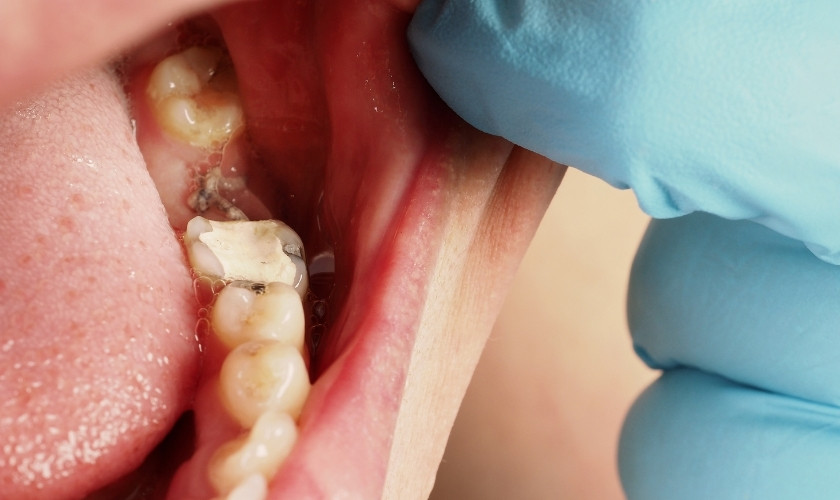
Teeth whitening is one of the fastest ways to improve your smile, but it can sometimes come with a temporary side effect – sensitivity. If you’ve recently had whitening treatment, especially in-office or with stronger bleaching agents, you might notice discomfort when drinking cold water, eating sweets, or even breathing in cool air.
For patients in Tulsa, OK, this is a common concern we see at Harvard Dental, and the good news is that it’s usually short-term and manageable with the right care.
Below are six practical and effective ways to reduce and manage tooth sensitivity after whitening.
1. Switch to a Sensitivity Toothpaste
One of the simplest steps is using a toothpaste designed for sensitive teeth. These formulas contain compounds like potassium nitrate or stannous fluoride that help block pain signals from the tooth surface to the nerve.
Use it twice daily for at least 1-2 weeks after whitening. Avoid switching back to regular toothpaste too quickly, as your enamel may still be in a temporarily porous state.
Consistency is key – most patients notice improvement within a few days.
2. Avoid Extreme Temperatures in Foods and Drinks
After whitening, your enamel becomes slightly more permeable, which means hot coffee or ice-cold beverages can trigger discomfort more easily.
Try to stick to lukewarm foods and drinks for a few days. Soup, room-temperature water, and soft foods are better choices during this adjustment period.
If you experience sensitivity, even a small change in temperature can help reduce discomfort significantly.
3. Use Fluoride Treatments for Strengthening
Fluoride helps remineralize enamel and reduce sensitivity by strengthening the outer tooth layer. You can use fluoride rinses at home or get professional fluoride applications at a dental clinic.
We often recommend fluoride treatment immediately after whitening sessions for patients who are prone to sensitivity.
This step helps seal microscopic channels in the enamel that may have been opened during the whitening process.
4. Avoid Acidic Foods and Drinks Temporarily
Acidic items like citrus fruits, soda, vinegar-based dressings, and wine can worsen sensitivity by weakening enamel further.
Try to avoid them for at least 48–72 hours after whitening. Instead, choose alkaline or neutral foods like bananas, oatmeal, and dairy products, which are gentler on teeth.
This small dietary adjustment can significantly improve comfort during recovery.
If you’re considering long-term results, professional whitening options like whitening treatment for stained teeth in Tulsa can help reduce repeated sensitivity episodes when done under expert care.
5. Be Gentle with Your Oral Care Routine
Brushing too hard or using a hard-bristle toothbrush can irritate already sensitive teeth. Switch to a soft-bristled brush and use gentle circular motions instead of aggressive scrubbing.
Avoid whitening toothpaste immediately after treatment, as it can increase sensitivity due to its abrasive properties.
Floss carefully as well, but do not skip it – good hygiene prevents gum inflammation that can worsen discomfort.
6. Give It Time and Support Healing
Most whitening-related sensitivity is temporary and typically resolves within 24–72 hours, though in some cases it may last up to a week.
Avoid repeating whitening treatments too frequently. Your enamel needs time to recover between sessions.
If discomfort persists longer than expected, it’s a good idea to consult a dental professional in Tulsa for evaluation. Some patients benefit from customized desensitizing gels or in-office protective treatments that accelerate healing.
At Harvard Dental, we tailor whitening plans to minimize sensitivity while still achieving noticeable results.
Final Thoughts
Tooth sensitivity after whitening is common, but it doesn’t have to disrupt your daily routine. With the right care – gentle hygiene, dietary awareness, and fluoride support – you can enjoy a brighter smile comfortably.
If you are planning your next whitening session or experiencing ongoing sensitivity, professional guidance can make a big difference. You can also check our reviews or visit our dental office in Tulsa to learn more about safe whitening options designed for sensitive teeth.
Frequently Asked Questions
- How long does tooth sensitivity last after whitening?
Sensitivity usually lasts 24 to 72 hours after whitening. In some cases, it may extend up to a week, depending on the enamel condition and the strength of the whitening treatment used.
- Why do my teeth feel sensitive after whitening?
Whitening agents temporarily open enamel pores to remove stains. This allows temperature and pressure changes to reach the nerve more easily, causing short-term sensitivity.
- Can I still brush my teeth after whitening?
Yes, but use a soft-bristled toothbrush and a gentle toothpaste for sensitive teeth. Avoid harsh scrubbing or abrasive whitening pastes for a few days after treatment.
- Does sensitivity mean my teeth are damaged?
No, sensitivity after whitening does not indicate permanent damage. It is usually temporary and resolves as the enamel rehydrates and remineralizes naturally.
- What foods should I avoid after whitening?
Avoid acidic and very hot or cold foods like citrus fruits, soda, coffee, and ice cream. These can trigger discomfort and prolong sensitivity.
- Can I repeat whitening if I still feel sensitivity?
It’s best to wait until sensitivity fully resolves before repeating whitening. Overuse can increase discomfort and irritate the enamel further.