

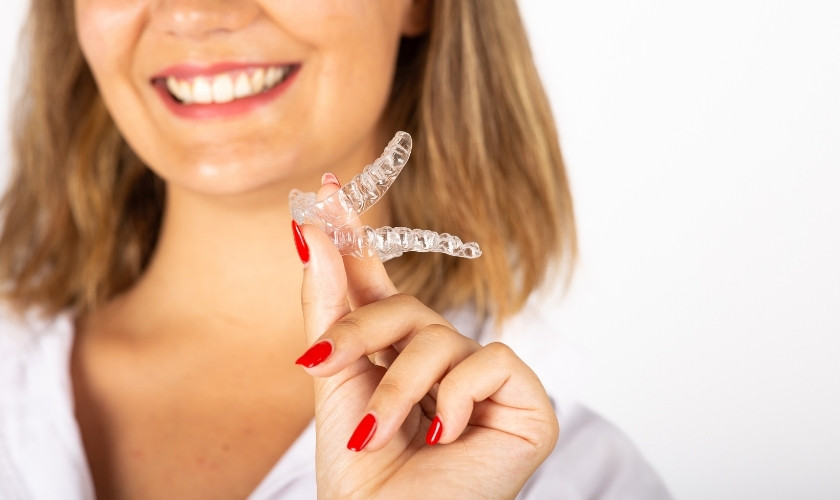
Starting Invisalign treatment is exciting because you finally see a path toward straighter teeth without metal braces. However, many patients become concerned when they learn they have a cavity during treatment. The first thought is usually, “Will this ruin my Invisalign progress?”
The short answer is no. Most cavities can be treated without stopping this orthodontic treatment completely. The key is identifying the problem early and treating it before the decay becomes larger. As these aligning trays stay on the teeth for most of the day, oral hygiene becomes even more important during treatment. If bacteria, plaque, or food particles remain trapped under the aligners, cavities can develop faster than many people realize.
According to the Centers for Disease Control and Prevention, over 90% of adults have experienced tooth decay in permanent teeth. Cavities remain one of the most common oral health conditions in the United States. Early treatment plays a major role in preventing long-term dental complications.
At Harvard Dental, Dr. Jason Weilacher and Dr. Brian Gosnell help patients maintain healthy teeth throughout this orthodontic treatment using detailed evaluations and advanced 3D imaging technology. If you notice tooth sensitivity, discomfort, or changes in aligner fit, scheduling a consultation with a trusted Invisalign provider in Tulsa early can help prevent treatment delays while protecting your smile.
Signs You May Have a Cavity During this Orthodontic Treatment
Cavities do not always cause immediate pain. Many begin with subtle symptoms that patients overlook.
Common warning signs include:
- Sensitivity to cold foods or drinks
- Tooth pain while chewing
- A rough or dark area on a tooth
- Bad breath that persists
- Increased sensitivity when aligners are inserted
- One aligner is suddenly feeling tighter than usual
Some patients first notice discomfort while removing trays or pressure around one specific tooth.
If any of these symptoms appear, do not wait until your next checkup.
Why Cavities Can Happen During Invisalign Treatment
Many patients assume these oral appliances lower cavity risk because the trays cover the teeth. In reality, aligners can create an environment in which bacteria remain trapped against the enamel for extended periods when oral hygiene habits are inconsistent.
Aligners Hold Bacteria Against the Teeth
These aligning trays fit closely over the teeth. If you place the aligners back in after eating without brushing properly, food particles and bacteria stay trapped under the trays.
Over time, acids produced by bacteria begin weakening enamel and creating cavities.
Frequent Snacking Increases Risk
Some patients snack more often because they remove trays throughout the day. Constant exposure to sugars and carbohydrates gives cavity-causing bacteria more fuel.
This becomes a problem when patients quickly rinse their mouth and reinsert aligners instead of brushing fully.
Dry Mouth Can Affect Enamel Protection
Saliva helps neutralize acids and wash away bacteria naturally. Some patients experience mild dry mouth while adjusting to aligners, which may reduce this natural protection.
Without enough saliva, enamel becomes more vulnerable to decay.
Should You Stop Wearing Invisalign If You Have a Cavity?
In most cases, no. Most cavities can be treated while the treatment continues normally. The exact approach depends on how large the cavity is and whether the tooth structure changes after treatment.
Small cavities are usually repaired quickly with tooth-colored fillings. Many patients continue wearing their aligners immediately afterward. Larger cavities may require additional adjustments if the shape of the tooth changes significantly.
The earlier the cavity is treated, the easier it is to keep the treatment on schedule.
What Happens If You Need a Filling During Invisalign?
Getting a filling during this orthodontic treatment is common and usually straightforward.
Your Dentist Evaluates the Tooth
The first step is determining how deep the cavity is and whether the decay has affected the surrounding tooth structure.
At Harvard Dental, our treatment planning includes advanced 3D imaging technology already featured on the practice website. This technology helps evaluate tooth movement and oral health throughout treatment.
The Cavity Is Treated
Most cavities are repaired using composite tooth-colored fillings. These fillings blend naturally with the surrounding enamel and restore strength to the tooth.
Once the decay is removed and the filling is placed, your dentist checks whether the aligners still fit correctly.
Your Aligners May Need Minor Adjustments
Small fillings usually do not affect the trays significantly. However, larger restorations can slightly change the shape of the tooth.
If necessary, your dentist may recommend small refinements or updated trays to keep treatment progressing properly.
Can Cavities Delay the Teeth Straightening Treatment?
Sometimes, but usually only if the cavity becomes severe.
A small cavity treated early rarely creates major delays. However, untreated decay can eventually lead to:
- Larger fillings
- Tooth fractures
- Root canal treatment
- Gum inflammation
- Problems with aligner fit
When cavities progress deeper into the tooth, treatment becomes more complex and may temporarily interrupt the progress.
Early intervention helps prevent these complications.
How to Prevent Cavities While Wearing Invisalign
Preventing cavities during the procedure depends heavily on daily habits.
Brush Before Reinserting Aligners
Always brush your teeth after meals before placing aligners back in your mouth. If brushing is not possible immediately, rinse thoroughly with water until you can clean your teeth properly.
This habit matters even more after sugary snacks, coffee drinks, or quick meals during busy days around downtown Tulsa or after visiting local restaurants like El Rancho Grande.
Clean Your Aligners Every Day
Aligners collect plaque and bacteria throughout the day. Cleaning them daily helps reduce bacterial buildup.
Harvard Dental recommends avoiding hot water because it may warp the trays.
Limit Sugary and Acidic Drinks
Soda, sweet tea, energy drinks, and sugary coffee can increase cavity risk during the treatment. As aligners trap liquids against the teeth, acids and sugars remain in contact with enamel longer.
Water remains the safest option while wearing trays.
Keep Regular Dental Visits
Routine dental cleanings remain important throughout the procedure.
Professional exams help identify early cavities before they become larger problems. Regular monitoring also helps ensure your aligners continue fitting properly as teeth move.
Why Choosing the Right Provider Matters
Straightening teeth is only one part of the treatment. Monitoring oral health throughout the process is equally important.
A proficient Invisalign provider in Tulsa evaluates more than the aligner progress alone. Regular examinations help identify cavities, gum inflammation, enamel wear, and changes in tooth movement before complications worsen.
This level of monitoring becomes especially important for patients balancing busy schedules, frequent dining out, or inconsistent oral hygiene habits during treatment.
Harvard Dental uses customized treatment planning designed around each patient’s smile goals and oral health needs.
What Happens if a Cavity is Ignored During the Orthodontic Treatment?
Ignoring a cavity during the teeth straightening procedure can create much larger oral health problems. Decay does not stop progressing simply because aligners are moving the teeth. In many cases, trapped bacteria may allow cavities to worsen faster under the trays.
Untreated cavities can eventually lead to:
- Severe tooth pain
- Tooth infections
- Swelling
- Root canal treatment
- Tooth damage affecting the aligner fit
What begins as a small cavity can eventually impact both oral health and orthodontic progress. Prompt treatment protects your smile and helps keep treatment moving efficiently.
Protect Your Smile While Straightening Your Teeth
Getting a cavity during an Invisalign procedure is more common than many patients realize. The important thing is addressing the issue early before it becomes more serious.
Most cavities can be treated without stopping the treatment completely. Early exams, consistent brushing, clean aligners, and regular dental visits all help protect your teeth throughout the process.
If you notice tooth sensitivity, discomfort, or aligners fitting differently, visit our dental office to help protect both your oral health and your treatment progress. Book an appointment for a well-aligned smile.
Frequently Asked Questions
Can I continue Invisalign after getting a filling?
Yes. Most patients continue wearing Invisalign after cavity treatment. Your dentist will confirm whether the trays still fit correctly afterward.
Do Invisalign trays increase cavity risk?
They can if oral hygiene is inconsistent. Bacteria and food particles trapped under the trays may increase the chance of decay.
Can a cavity make Invisalign trays feel tighter?
Yes. Some patients notice pressure or discomfort around the affected tooth due to inflammation or changes in tooth structure.
How often should I clean Invisalign trays?
You should clean aligners daily to remove bacteria and plaque buildup that may contribute to cavities or bad breath.
Can untreated cavities affect Invisalign progress?
Yes. Severe decay may change tooth structure or require more extensive dental treatment that interrupts aligner progress.
Should I brush every time before wearing aligners again?
Yes. Brushing before reinserting trays helps remove food particles and bacteria that could remain trapped against the teeth.
Is it common to get cavities during Invisalign treatment?
Yes. Cavities can happen during Invisalign if oral hygiene habits become inconsistent or sugary drinks and snacks are frequent.