The teenage years are an important time for developing healthy oral habits and a confident smile. However, many teens experience orthodontic concerns such as crowded teeth, gaps, crooked teeth, overbites, and underbites. These issues can affect how teeth fit together, make cleaning more difficult, and sometimes influence self-confidence. Fortunately, clear aligner treatment offers a discreet way to address many common alignment concerns.
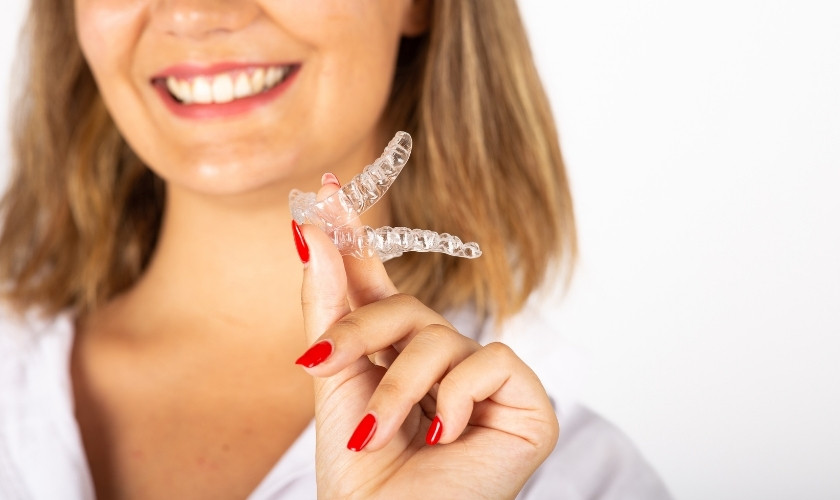
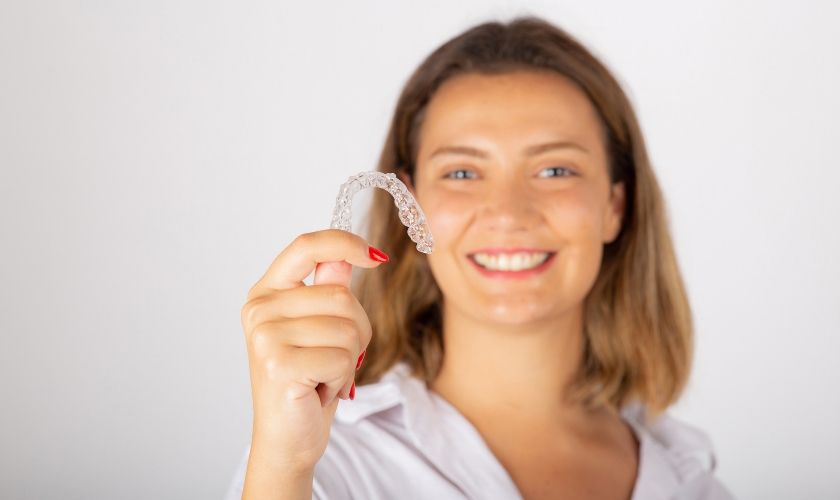
Invisalign uses a series of custom-made, transparent aligners to gradually move teeth into more appropriate positions. Unlike traditional metal braces, these removable trays do not rely on brackets and wires. For teenagers who participate in sports, play musical instruments, or prefer a less noticeable orthodontic option, clear aligners may offer practical advantages.
Families exploring orthodontic options can learn how Invisalign treatment may help teens improve their smiles while maintaining their everyday routines.
Understanding Invisalign Treatment for Teens
Invisalign treatment involves wearing a sequence of clear plastic aligners designed to apply controlled pressure to specific teeth. Each set is typically worn for a prescribed period before moving to the next set in the series. Over time, these small adjustments can improve tooth alignment and, in suitable cases, the way the upper and lower teeth meet.
Teen treatment plans are customized according to the individual’s dental development, alignment concerns, and treatment goals. Some aligner systems include features designed for younger patients, such as indicators that help track wear time.
An orthodontic evaluation is essential before treatment begins. A qualified provider can examine the teeth and bite, assess whether the permanent teeth have erupted sufficiently, and determine whether clear aligners are appropriate. Not every orthodontic problem can be corrected with Invisalign alone.
1. Correcting Crowded and Crooked Teeth
Crowded teeth are among the most common orthodontic concerns during adolescence. When there is insufficient space in the dental arch, teeth may overlap, twist, or grow out of alignment. This can make brushing and flossing more challenging because food particles and plaque may collect in difficult-to-reach areas.
Invisalign aligners can gradually guide many crowded or crooked teeth into better positions. The treatment plan maps out the intended movements and uses a series of custom trays to make gradual adjustments.
For teens, improved alignment may make daily oral hygiene easier and support healthier gums. However, severe crowding may require a different approach or additional orthodontic procedures. FDA+1
2. Closing Gaps Between Teeth
Some teenagers develop noticeable spaces between their teeth because of differences in tooth size, jaw development, or the position of individual teeth. Although small gaps do not always cause health problems, larger spaces can affect the appearance of a smile and sometimes allow food to collect between teeth.
Clear aligners can move selected teeth closer together when the spacing is suitable for this type of treatment. Each aligner applies carefully planned pressure, helping reduce gaps over time.
Before treatment, the provider should identify the reason for the spacing. Closing gaps without addressing an underlying concern may not provide a stable result. A personalized plan helps determine the safest way to improve the alignment of the teeth.
3. Managing Overbites and Underbites
Bite problems occur when the upper and lower teeth do not meet in an appropriate relationship. An overbite involves excessive vertical overlap of the upper front teeth, while an underbite occurs when the lower front teeth sit ahead of the upper front teeth.
Depending on the severity and cause, Invisalign may help correct certain overbites and underbites. Some treatment plans use additional features, such as attachments or elastics, to support specific tooth movements.
These corrections can improve how the teeth come together and may reduce uneven wear associated with particular bite problems. However, significant jaw discrepancies may require braces, growth-related treatment, or other specialist care.
An assessment is especially important for growing teenagers because their jaws and permanent teeth may still be developing. FDA+1
4. Addressing Crossbites and Open Bites
A crossbite occurs when some upper teeth sit inside the corresponding lower teeth when biting down. An open bite occurs when certain upper and lower teeth do not touch, even when the mouth is closed.
These conditions may affect chewing and contribute to uneven pressure on particular teeth. In some cases, an open bite can also influence speech or the way the front teeth function.
Invisalign may help manage selected mild or moderate bite problems by guiding teeth into improved positions. The best approach depends on whether the concern originates from tooth alignment, jaw development, or a combination of factors.
Some patients need additional appliances or traditional orthodontic treatment to achieve a stable bite. Identifying the underlying cause early helps families understand the available options and expected results. Invisalign.com+1
5. Improving Confidence With a Discreet Treatment Option
Teenagers often feel self-conscious about their appearance, particularly when they are adjusting to changes during adolescence. Traditional braces can be effective, but visible brackets and wires may make some students hesitant about orthodontic treatment.
One advantage of Invisalign is its transparent appearance. The aligners are designed to fit closely over the teeth, making them less noticeable during conversations, school activities, photographs, and social events.
Because the trays are removable, teenagers can also take them out for meals and important occasions, following their provider’s instructions. However, aligners must be worn consistently to keep treatment progressing as planned.
For families exploring Invisalign in Tulsa, it is important to compare treatment options based on the teenager’s individual needs, lifestyle, and oral health rather than appearance alone.
6. Supporting Better Oral Hygiene During Treatment
Maintaining good oral hygiene is essential throughout orthodontic treatment. Brackets and wires can make cleaning more complicated, while removable aligners allow teenagers to brush and floss their teeth normally after taking the trays out.
Teens should clean their teeth after meals before reinserting their aligners whenever possible. They should also clean the trays according to the recommended instructions and avoid drinking sugary beverages while wearing them.
Regular checkups remain important because aligners do not eliminate the risk of cavities, gum inflammation, or other oral health concerns. Consistent cleaning habits help protect the teeth while they move into better alignment.
7. Helping Teens Maintain an Active Lifestyle
School schedules, sports, music lessons, and extracurricular activities can make orthodontic care feel demanding. Invisalign may fit more easily into a busy routine because there are no brackets or wires to adjust during everyday activities.
However, the removable design requires responsibility. Teens need to keep track of their aligners, store them safely in a protective case, and follow the prescribed wear schedule. Forgetting to wear them regularly can delay progress or affect the final result.
Families can help by establishing simple routines, such as putting aligners back in immediately after meals and checking that they are stored safely during sports or other activities.
Is Invisalign the Right Choice for Your Teen?
The suitability of Invisalign depends on the teenager’s tooth alignment, bite, dental development, and ability to follow treatment instructions. Many mild to moderate orthodontic concerns can be managed with clear aligners, but some complex cases respond better to traditional braces or a combination of treatments.
At Harvard Dental, families can explore questions about orthodontic options and learn why an individualized assessment matters when planning a healthier, more aligned smile.
Parents in Tulsa should look for a qualified orthodontic provider who can evaluate their teen’s needs, explain the expected treatment process, and monitor progress throughout care. Before beginning, ask about treatment duration, costs, follow-up visits, and the need for retainers after the teeth reach their planned positions.
If you are considering orthodontic treatment for your teenager, contact us to learn more about the options that may suit their needs.
A well-planned approach, combined with consistent aligner wear and good oral hygiene, can help teenagers work toward a healthier smile while continuing to enjoy their everyday activities.
Frequently Asked Questions
- At what age can teenagers start Invisalign?
Teenagers may be candidates once enough permanent teeth have erupted, and their oral development is suitable. An individual assessment helps determine whether clear aligners are appropriate for their specific alignment concerns.
- How long does Invisalign treatment take for teens?
Treatment length varies with the complexity of the alignment problem and how consistently aligners are worn. Some cases take several months, while others may require a year or longer to achieve the planned results.
- Can Invisalign correct severe crowding in teenagers?
Some crowded teeth can be aligned with clear aligners, but severe crowding may require additional procedures or traditional braces. The recommended approach depends on available space, tooth positions, and overall dental development.
- Is Invisalign painful for teenagers?
Teens may experience mild pressure, tenderness, or temporary discomfort when starting a new set of aligners. These sensations often improve as the teeth adjust, although persistent or severe discomfort needs professional evaluation.
- Can teenagers eat while wearing Invisalign aligners?
Aligners should generally be removed before eating meals or snacks. Teens should also follow instructions about beverages, clean their teeth after eating, and reinsert the trays as directed to maintain treatment progress.
- How many hours per day should teens wear Invisalign?
Many treatment plans recommend wearing aligners for approximately 20–22 hours daily, removing them for meals and oral hygiene. The exact schedule should follow the treating provider’s instructions for the individual case.
- Will teenagers need retainers after Invisalign treatment?
Yes, retainers are generally recommended after active treatment to help keep teeth in their corrected positions. Teeth can gradually shift over time, so following the prescribed retainer schedule is important for maintaining results.