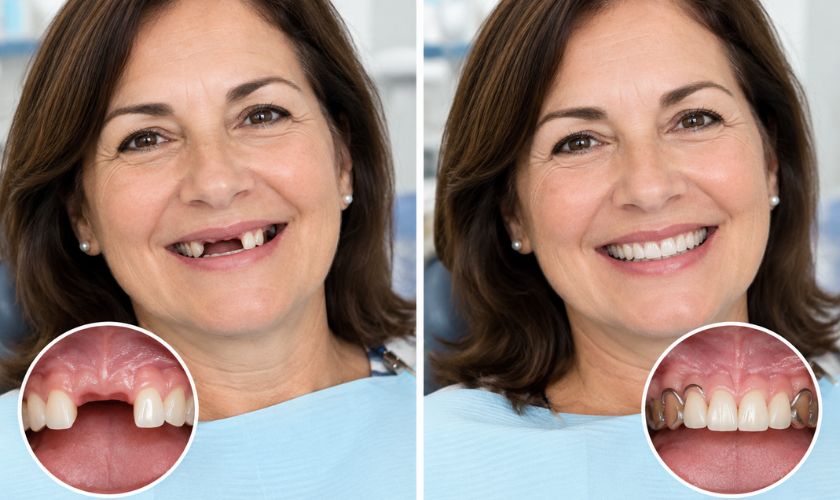
Dental implants can restore chewing function and replace missing teeth, but their long-term performance depends on consistent care. The restoration cannot develop a cavity, yet plaque can still inflame the surrounding gums and damage supporting bone.
At Harvard Dental, Dr. Weilacher helps patients understand how daily oral hygiene, routine checkups, and healthy lifestyle choices can protect their restored smiles. The following dental implant care tips can help you reduce complications and maintain comfortable function for years.
Why Is Dental Implant Maintenance Important?
Bacteria and plaque collect around an implant restoration just as they do around natural teeth. Without proper removal, this buildup may cause peri-implant mucositis, an early form of inflammation involving the gum tissue.
If the inflammation progresses, it may develop into peri-implantitis. This condition can damage the bone supporting the implant. Warning signs include bleeding, swelling, tenderness, gum recession, or changes in stability. Early inflammation may be easier to manage when identified promptly. The American Academy of Periodontology recommends regular brushing, flossing, and clinical monitoring to help protect the surrounding tissues.
How Should You Care for Dental Implants?
A consistent home-care routine is the foundation of long-term implant success. Use these steps to keep the restoration and nearby gum tissue clean:
- Brush twice every day: Use a soft-bristled toothbrush and gentle pressure. Clean the front, back, and chewing surface of the restoration.
- Clean between the teeth daily: Floss around the implant or use an interdental brush, water flosser, or another device recommended by your dental team.
- Pay attention to the gumline: Plaque often collects where the restoration meets the gums. Clean this area carefully without aggressive scrubbing.
- Choose appropriate oral care products: Avoid highly abrasive toothpaste that may scratch certain restorative materials. Ask which products suit your restoration.
- Replace worn toothbrushes: Frayed bristles clean less effectively and may make it harder to remove plaque around the gumline.
Protect Your Implant Through Healthy Daily Habits
Oral hygiene is only one part of implant aftercare. Daily habits can also affect the crown, surrounding gums, and supporting jawbone.
Avoid chewing ice, pens, hard candy, or other rigid objects. These habits may chip the crown or place excessive pressure on the restoration. If you grind or clench your teeth, a nightguard may help reduce damaging forces.
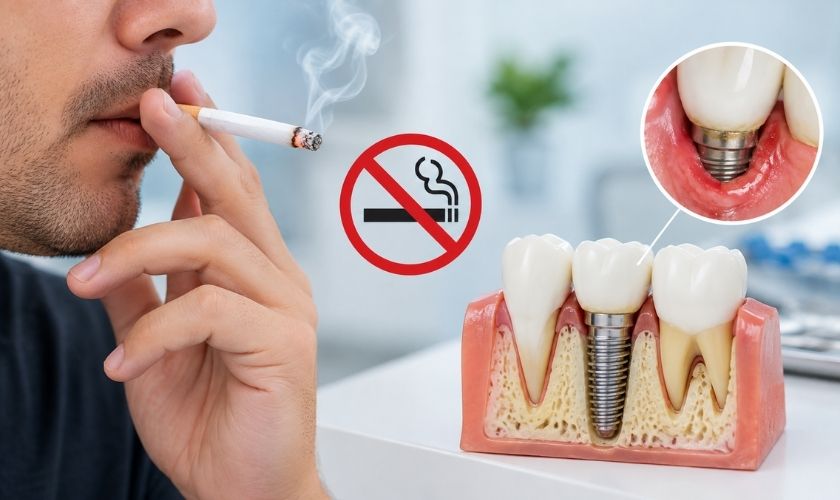
Smoking and other tobacco use can interfere with gum health and raise the risk of peri-implant disease. Certain medical conditions, including poorly controlled diabetes, may also affect healing and inflammation. Tell your dental team about health changes and current medications.
If your bite feels uneven, visit our dental office for an evaluation. A restoration that contacts too heavily during biting may experience unnecessary stress. Do not wait for discomfort or movement to become severe.
Do Routine Checkups Still Matter?
Yes. Professional visits remain necessary even when your restored tooth feels normal. During an implant checkup, the dental team may:
- Examine the gums for redness, bleeding, or recession
- Check the restoration for looseness, chips, or wear
- Evaluate how the upper and lower teeth meet
- Remove hardened deposits that home brushing cannot eliminate
- Use dental imaging when needed to assess supporting bone
Your recommended recall schedule will depend on your gum health, medical history, hygiene, and previous periodontal concerns. The American Dental Association advises people with implant restorations to maintain regular dental visits.
Know When to Request an Evaluation
Contact the office if you notice persistent bleeding, swelling, discomfort, a loose crown, a bad taste, receding gums, or difficulty chewing. A change does not always mean the implant has failed, but it should be examined.
Prompt attention may prevent a minor concern from becoming a more complicated problem. Avoid trying to tighten, adjust, or repair the restoration at home.
Support the Long-Term Health of Your Restored Smile
Consistent home care and timely professional monitoring can help protect your investment and preserve confident function. For guidance on tooth restoration or to discuss a tooth implant procedure in Tulsa, book an appointment with Harvard Dental. Call 918-742-2488 or visit us at 3520 E 31st St, Tulsa, OK 74135.
Frequently Asked Questions
1. How long can dental implants last with proper care?
The implant post may remain functional for many years when the gums and supporting bone stay healthy. The attached crown can wear over time and may eventually require repair or replacement. Daily cleaning and regular evaluations support longevity.
2. Can I floss around an implant restoration?
Yes. Daily interdental cleaning removes plaque from areas a toothbrush may miss. Your dental team can demonstrate how to use floss, an interdental brush, or a water flosser safely around the restoration.
3. What foods should I avoid?
Once healing is complete, many patients can eat a varied diet. However, chewing ice, hard candy, nutshells, or nonfood objects can damage the crown. Follow any temporary dietary instructions provided after surgery.
4. Why does the gum around my implant bleed?
Bleeding may indicate plaque-related inflammation or irritation. Improve gentle cleaning and arrange an examination if the bleeding continues. Early assessment can identify the cause before the condition progresses.
5. Can grinding damage an implant restoration?
Grinding and clenching can place repeated pressure on the crown and implant components. This may contribute to wear, fractures, or loosening. A clinician can assess your bite and determine whether a nightguard is appropriate.
6. How often should implant restorations be checked?
The right schedule varies according to gum health, hygiene, medical conditions, and other risk factors. Many patients need routine preventive visits, while those with periodontal concerns may require closer monitoring.