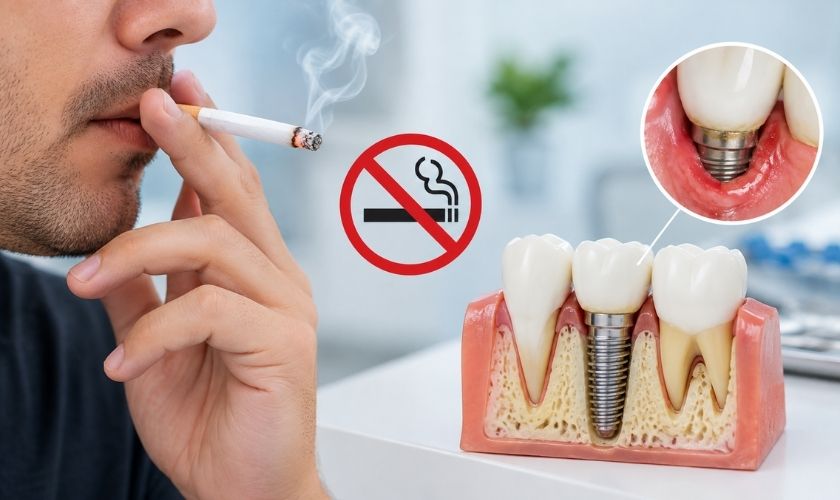
Dental implants are designed to replace missing teeth and restore everyday oral function. They require careful placement, healthy surrounding tissues, and proper healing so the implant can become securely integrated with the jawbone. However, smoking can interfere with several of these processes and may increase the risk of complications.
For people in Tulsa considering or already living with dental implants, understanding how smoking affects oral health can help support better long-term outcomes. Whether you smoke cigarettes, cigars, or use other tobacco products, discussing your habits with your dental provider is an important part of implant care.
How Smoking Affects Dental Implant Healing
After an implant is placed, the surrounding bone and gum tissue need time to heal. During this period, the implant gradually bonds with the jawbone through a process called osseointegration. This connection provides the stability needed for the replacement tooth.
Smoking can interfere with healing because tobacco smoke contains chemicals that can affect blood circulation and oxygen delivery to oral tissues. Reduced blood flow may make it harder for the gums and bone to receive the oxygen and nutrients needed for normal recovery.
Smoking may also affect the body’s ability to respond to bacteria and inflammation. Since healing tissues are particularly vulnerable after implant surgery, these effects can make recovery more challenging.
Increased Risk of Implant Complications
One concern associated with smoking is an increased risk of implant failure. If an implant does not properly integrate with the jawbone, it may become loose or fail to provide the necessary support for the replacement tooth.
Smoking can also contribute to gum problems around an implant. Healthy gums help protect the tissues and bone supporting the implant. Tobacco use can increase the risk of inflammation and other periodontal concerns, which may eventually affect the stability of the implant.
Patients receiving dental implant treatment should tell their dental provider if they smoke. This information can help the dental team consider appropriate treatment planning, healing expectations, and aftercare recommendations.
Smoking and Bone Health
Healthy jawbone tissue is essential for successful implant support. Tobacco use can negatively affect bone metabolism and healing, which may be especially important for patients who have already experienced bone loss after tooth loss.
In some situations, a patient may need additional procedures, such as bone grafting, before an implant can be placed. Smoking can make the healing process associated with these procedures more difficult as well.
This does not mean every smoker will experience implant failure. However, tobacco use is a factor that should be considered when planning implant treatment and maintaining oral health afterward.
Protecting Your Dental Implants
If you smoke, quitting or reducing tobacco use can be an important step toward protecting your oral health. Your dental provider can discuss cessation strategies and explain how smoking may affect your particular treatment.
Good daily oral hygiene is also important. Brushing twice a day, cleaning between your teeth, and following professional cleaning recommendations can help control plaque around the implant and surrounding gums.
Regular dental examinations allow your provider to monitor the implant, gum tissue, and supporting bone. Early signs of inflammation or other concerns can then be identified before they become more serious.
When to Talk to a Dental Professional
If you have dental implants and notice persistent gum swelling, bleeding, discomfort, bad taste, or changes in how an implant feels, schedule an evaluation. These symptoms do not necessarily mean an implant has failed, but they should not be ignored.
For Tulsa patients, Harvard Dental can provide guidance on maintaining oral health before and after implant treatment. If you are considering implants, discussing your smoking history openly can help your dental team develop an appropriate treatment and maintenance plan.
Quitting tobacco can benefit much more than your implants. It can also support healthier gums, improve overall oral health, and reduce exposure to substances that can contribute to dental problems. If you are concerned about how smoking may affect your implants, contact us to discuss your concerns with a dental professional.
Take Steps to Protect Your Smile
Dental implants require a long-term commitment to oral hygiene, professional care, and healthy habits. Smoking can make healing more difficult and may increase the risk of complications, making tobacco cessation an important consideration for implant patients.
Following your provider’s instructions, maintaining regular dental visits, and avoiding tobacco can help support the health of your implants and surrounding tissues. If you are preparing for implant treatment or already have implants, visit our dental clinic for personalized guidance based on your oral health needs.