Teeth whitening strips have become one of the most popular over-the-counter methods for brightening smiles. Affordable, convenient, and widely available, they promise whiter teeth in just days. In this blog, we’ll take a closer look at how whitening strips work, what they do to your teeth, and whether they’re truly safe to use.
How Do Teeth Whitening Strips Work?
Teeth whitening strips typically contain either hydrogen peroxide or carbamide peroxide – bleaching agents that penetrate the tooth enamel to remove deep stains. When applied to your teeth, the gel-coated side of the strip sticks to the surface and gradually breaks down stains from foods, drinks, tobacco, or natural aging.
Most strips are meant to be used once or twice a day for a period ranging from 7 to 21 days, depending on the brand. While they can be effective, there’s more to consider beyond just the promise of a brighter smile.
Potential Risks of Whitening Strips
1. Tooth Sensitivity
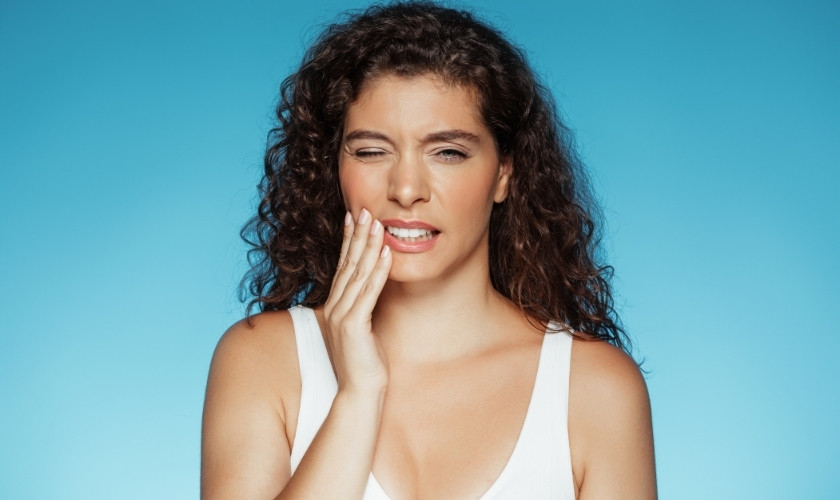
One of the most commonly reported side effects of whitening strips is increased tooth sensitivity. The peroxide agents can penetrate the enamel and irritate the nerve inside the tooth, especially if the strips are overused or applied for too long.
Tip: If you already have sensitive teeth, consult your dentist before starting a whitening regimen. Using a sensitivity-reducing toothpaste can help minimize discomfort.
2. Gum Irritation
Whitening strips are designed to fit the surface of your teeth, but they often come into contact with the gums. Prolonged or repeated exposure to peroxide can irritate or even burn the soft tissues of your mouth.
Tip: Make sure the strips are properly applied to avoid overlap onto your gums, and don’t exceed the recommended usage time.
3. Damage to Enamel
Though rare with occasional use, overusing whitening strips or choosing products with high concentrations of bleaching agents can erode tooth enamel. This can lead to increased sensitivity, decay, and long-term damage to the structural integrity of your teeth.
Tip: Stick with trusted brands and avoid whitening strips that make bold claims with unusually fast results – they often contain harsher ingredients.
4. Uneven Whitening
Teeth with dental restorations (fillings, crowns, veneers) won’t respond to whitening agents in the same way natural teeth do. This can lead to a mismatched smile. Additionally, areas with plaque buildup or uneven strip application may not whiten uniformly.
Tip: Schedule a professional cleaning before starting whitening treatment to ensure even results.
Are They Safe When Used Correctly?
Yes – for most people, teeth whitening strips are generally safe when used as directed. The American Dental Association (ADA) recognizes that many over-the-counter whitening products can be effective and safe for improving the appearance of your smile.
However, moderation is key. Excessive or improper use can do more harm than good. Always read and follow product instructions carefully. If you’re unsure which product to choose or have underlying dental issues, a conversation with your dentist can guide you to the safest option.
Who Should Avoid Whitening Strips?
Teeth whitening strips may not be suitable for everyone. Avoid using them if you:
- Have untreated cavities or gum disease
- Are you pregnant or breastfeeding
- Are under 13 years old
- Have braces or recent dental work like crowns or veneers
- Suffer from severe tooth sensitivity or allergies to peroxide
If any of the above apply, consult your dental care provider before using any whitening products.
Alternatives to Whitening Strips
If whitening strips aren’t right for you or you’re concerned about their effects, there are safer and more controlled alternatives:
- Professional Whitening: Dentists offer in-office treatments with custom trays and stronger but safer bleaching agents. These provide faster, longer-lasting results with lower risk.
- Whitening Toothpastes: While less potent, they’re ideal for maintaining whiteness after professional treatment.
- Lifestyle Changes: Avoiding staining foods and beverages, quitting smoking, and practicing good oral hygiene can prevent discoloration naturally.
Are Whitening Strips Bad for Your Teeth?
Not necessarily. Whitening strips can be a safe and effective way to brighten your smile – as long as they are used correctly and in moderation. They’re not inherently bad for your teeth, but misuse can lead to sensitivity, gum irritation, and enamel damage.
Before starting any whitening treatment, especially if you have dental concerns, speak with your dentist. A healthy smile isn’t just about color – it’s about long-term care and professional guidance.