If you’ve ever stared at a dental bill wondering why your cavity filling didn’t last forever, you’re not alone. Cavities are a common issue, especially in busy places like Tulsa, where sweet tea and barbecue tempt us daily. Cavity filling actually last depends on several factors, from the type of filling to your daily habits. We help Tulsa families keep their smiles strong with durable treatments. In this guide, we’ll break it down step by step so you can make informed choices for your oral health.
Understanding Cavity Fillings: The Basics
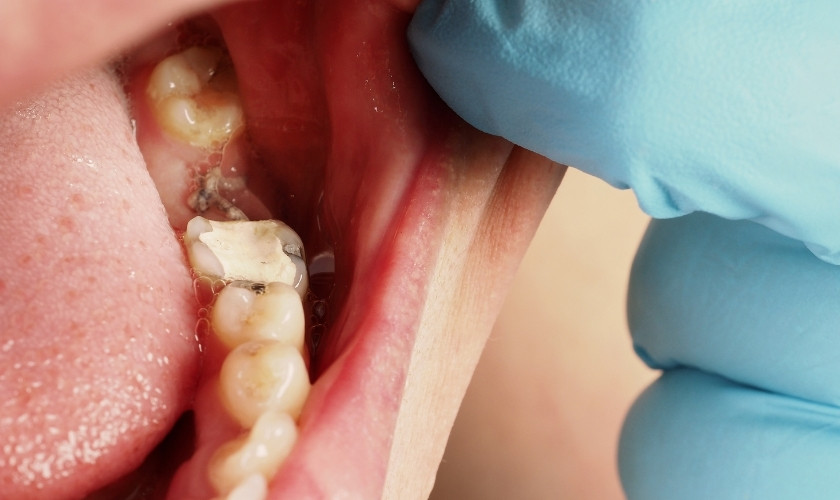
A cavity filling is a dental restoration that repairs a hole in your tooth caused by decay. Dentists remove the decayed portion and fill the space with a biocompatible material to restore function and prevent further damage. This simple procedure prevents bigger problems like root canals or extractions.
Fillings come in different materials, each with a unique lifespan:
- Amalgam (silver fillings): Made from a mix of metals, these are tough and affordable.
- Composite (tooth-colored fillings): Resin-based materials that blend seamlessly with your natural teeth.
- Gold fillings: Custom-cast for precision but pricier.
- Ceramic or porcelain: Durable and aesthetically pleasing, often used for visible areas.
On average, a well-placed filling lasts 5 to 15 years, but some exceed 20 years with proper care. Factors like placement, material quality, and your lifestyle play huge roles. For Tulsa patients dealing with the local water hardness or sugary Oklahoma snacks, choosing the right option matters even more.
Factors That Determine How Long Your Filling Lasts
No two fillings are identical – their longevity hinges on multiple variables. Let’s explore the key ones.
1. Type of Filling Material
Different materials wear differently under stress.
| Filling Type | Average Lifespan | Pros | Cons |
|---|---|---|---|
| Amalgam | 10-15 years | Extremely durable, resists chewing forces | Visible silver color, potential allergy concerns |
| Composite | 5-10 years | Natural look, bonds directly to tooth | Wears faster with heavy grinding |
| Gold | 15-30 years | Superior strength, biocompatible | High cost, requires multiple visits |
| Ceramic | 10-15 years | Stain-resistant, beautiful aesthetics | Brittle if mishandled |
Composite fillings shine for front teeth in aesthetic-focused Tulsa smiles, while amalgam handles molars best.
2. Location and Size of the Cavity
Back teeth (molars) endure massive biting forces – up to 200 pounds per chew. A filling on a molar faces more wear than one on a front incisor. Larger fillings covering more tooth surface also risk cracking sooner. Small, shallow cavities in low-stress areas often last longest.
3. Your Oral Hygiene Habits
Brushing twice daily, flossing, and using fluoride toothpaste extend filling life. Neglect lets plaque build up, causing secondary decay around the edges. In Tulsa’s humid climate, bacteria thrive if you skip routine cleanings.
4. Diet and Lifestyle Choices
Sugary, acidic foods (think Tulsa State Fair treats) erode fillings over time. Grinding teeth (bruxism) or habits like nail-biting accelerate wear. Smoking or heavy alcohol use weakens materials, too. Athletes in Tulsa’s sports scene should wear mouthguards to protect restorations.
5. Quality of Dental Work
A skilled dentist ensures proper bonding and contouring. At Harvard Dental in Tulsa, our team uses advanced techniques and high-grade materials for fillings that stand the test of time. Poor placement leads to leaks, cracks, or fractures – common reasons fillings fail early.
Signs Your Cavity Filling Needs Replacement
Fillings don’t always fail dramatically; watch for subtle cues:
- Sensitivity: Sharp pain to hot, cold, or sweets signals cracks or decay underneath.
- Visible damage: Chips, cracks, or discoloration.
- Rough edges: Food traps or a “high spot” causing bite pain.
- Swelling or bad breath: Infection from leaks.
- Looseness: The filling feels movable.
If you notice these, don’t wait – schedule a checkup. Early intervention saves teeth and money. Call us at +1 9184191627 for a quick evaluation.
How to Maximize Your Filling’s Lifespan
Want your cavity filling to last a decade or more? Follow these practical tips tailored for Tulsa lifestyles:
- Maintain rigorous hygiene: Brush for two minutes twice daily with a soft-bristle toothbrush. Floss nightly and use an antimicrobial mouthwash.
- Visit your dentist regularly: Bi-annual cleanings catch issues early. In Tulsa, we offer convenient appointments.
- Eat smart: Limit sodas, candies, and citrus. Opt for crunchy veggies like carrots to naturally clean teeth.
- Protect against grinding: Ask about night guards if you clench.
- Avoid extreme temperatures: Skip ice-chewing or very hot/cold foods right after placement.
- Quit harmful habits: No tobacco, and moderate alcohol.
Patients who follow these steps see fillings last 50% longer on average, per dental studies.
Why Choose Us For your Composite Fillings?
For a natural, long-lasting look, composite fillings are a top choice. They bond chemically to your tooth, sealing out bacteria effectively. In Tulsa’s smile-conscious community, their tooth-colored appearance avoids the “metal mouth” look. While they may need replacement every 7-10 years, modern composites from Harvard Dental resist wear better than ever.
Ready for composite fillings in Tulsa? Our dental practice invites you to visit our dental office for personalized care that fits your lifestyle.
Common Myths About Cavity Filling Longevity
- Myth: All fillings last the same time. Reality: Material and placement vary outcomes.
- Myth: White fillings are weaker. Reality: Today’s composites rival amalgam in many cases.
- Myth: Fillings never need replacing. Reality: Wear is inevitable; maintenance is key.
When to Upgrade to Advanced Options
If fillings fail repeatedly, consider crowns, inlays, or veneers for superior durability. These preserve more natural tooth structure.
Final Thoughts: Invest in Lasting Dental Health
So, how long does a cavity filling last? Expect 5-15 years with the right material, care, and dentist. In Tulsa, where life moves fast, proactive dental habits make all the difference. Harvard Dental is here to help – reach us at +1 9184191627 for expert advice.
Prioritize your smile today. A durable filling isn’t just about time – it’s about confidence.
Frequently Asked Questions
- How long does a cavity filling typically last in Tulsa?
Cavity fillings last 5-15 years on average, depending on the material and care. Amalgam fillings often last 10-15 years, while composites last 5-10. Tulsa patients at Harvard Dental get personalized advice for maximum durability. - What makes composite fillings a good choice for Tulsa residents?
Composite fillings match your natural tooth color, bond strongly, and resist stains from local favorites like BBQ sauce. They last 7-10 years with good hygiene. For composite fillings in Tulsa, visit our dental office today. - Can diet affect how long my cavity filling lasts?
Yes – sugary or acidic foods speed up wear. Limit sodas and candies common in Tulsa diets, and rinse after meals to extend filling life by years. - What are the signs that a cavity filling needs replacement?
Look for sensitivity, cracks, rough edges, or pain when biting. If you spot these, call Harvard Dental at +1 9184191627 for a prompt check. - Do silver fillings last longer than white ones?
Silver (amalgam) fillings often outlast composites (10-15 vs. 5-10 years) due to strength, but composites excel in aesthetics and bonding. Your dentist recommends based on location. - How can I make my cavity filling last longer?
Brush/floss daily, get bi-annual cleanings, avoid grinding, and watch your diet. These habits can add 5+ years to any filling’s lifespan.