Have you noticed movement in your implant-supported tooth and wondered if something is wrong? A loose titanium implant restoration can be alarming, especially when you expected a permanent dental replacement solution. While implant-related complications are not common, they can occur and should never be ignored.
Many patients seek answers when their restorations suddenly feel unstable. In some cases, the implant itself remains secure while another component has loosened. In others, underlying bone or gum issues may be involved. Understanding the cause is the first step toward protecting your oral health.
At Harvard Dental, patients often ask whether a loose implant means failure. The answer depends on what is actually moving. This guide explains the most common causes, potential risks, and available treatment options. If you have received Dental implant treatment in Tulsa, knowing these warning signs can help you seek care before a small problem becomes a larger one.
Why Does My Dental Implant Feel Loose?
A loose restoration does not always mean the implant has failed.
Many implant systems consist of several parts, including the implant post, abutment, and crown. Sometimes the crown or connecting screw becomes loose while the implant remains firmly attached to the jawbone.
Other times, movement may indicate problems involving the surrounding bone or gum tissue. A professional evaluation is the only way to determine the exact cause.
Common Signs of a Loose Implant Restoration
Patients often report:
- Movement when chewing
- Clicking sensations
- Discomfort around the implant site
- Gum tenderness
- Difficulty biting normally
- A crown that feels unstable
If you experience the above symptoms, schedule an appointment promptly.
What Causes Dental Implant Restorations to Become Loose?
Several factors can contribute to looseness.
Loose Abutment or Retaining Screw
One of the most common causes involves the small screw connecting the restoration to the implant.
Over time, normal chewing forces may cause this component to loosen. This issue is typically repairable and often does not require replacing the implant.
Excessive Bite Pressure
Grinding or clenching places significant force on restorations.
Patients who experience bruxism may place repeated stress on an implant-supported restoration, causing components to loosen or wear prematurely.
Trauma or Injury
A sports injury, fall, or accident can affect implant stability.
Even minor trauma may damage the restoration or surrounding tissues and should be evaluated promptly.
Bone Loss Around the Implant
The implant relies on healthy jawbone support.
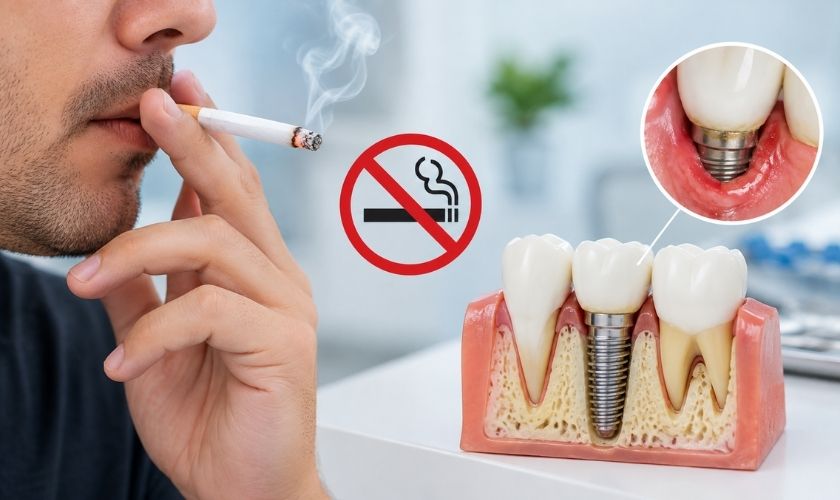
If bone begins to deteriorate around the implant, movement may develop. Bone loss can result from infection, poor oral hygiene, smoking, uncontrolled medical conditions, or excessive forces on the restoration.
Peri-Implant Disease
Peri-implant disease is an inflammatory condition affecting tissues around implants.
When left untreated, inflammation can damage both gum tissue and supporting bone. Early diagnosis is important for preserving long-term stability.
Can a Loose Implant Be Dangerous?
Yes, depending on the underlying cause. A loose restoration may seem minor initially, but delaying treatment can increase the risk of complications.
Potential Risks Include:
- Progressive bone loss
- Gum infection
- Damage to neighboring teeth
- Difficulty chewing
- Fracture of implant components
- Failure of the implant restoration
The earlier the issue is identified, the more treatment options may be available.
How Do Dentists Determine What Is Loose?
Accurate diagnosis is essential before recommending treatment.
Our experts will typically perform a comprehensive examination that includes:
- Visual evaluation
- Bite assessment
- Digital imaging
- Examination of implant components
- Assessment of surrounding bone levels
- Evaluation of gum health
At Harvard Dental, diagnostic imaging helps determine whether the movement involves the crown, the abutment, or the implant itself.
This step ensures patients receive the most appropriate dental treatment rather than unnecessary procedures.
What Are the Treatment Options for a Loose Implant?
Treatment depends entirely on the source of the problem.
Tightening or Replacing Components
If the crown or abutment screw has loosened, the solution may be relatively straightforward. The restoration can often be removed, inspected, and secured properly.
Treating Peri-Implant Disease
When inflammation affects surrounding tissues, treatment focuses on controlling infection and preserving bone. This may involve professional cleaning, antimicrobial therapy, improved home care, and ongoing monitoring.
Bone Regeneration Procedures
In cases involving significant bone loss, regenerative procedures may help rebuild the supporting bone around the implant. The recommended approach depends on the extent of the damage and overall oral health.
Replacing a Failed Implant
If the implant itself has lost integration with the bone, removal may be necessary. Following healing and evaluation, patients may still be candidates for replacement through dental implant treatment in Tulsa using updated techniques and careful treatment planning.
Can Loose Implants Be Prevented?
In many cases, yes.
Long-term success depends on proper maintenance and routine monitoring.
Steps That Help Protect Implant Stability
- Maintain daily brushing and flossing
- Attend regular professional cleanings
- Address teeth grinding promptly
- Avoid tobacco use
- Follow post-treatment instructions carefully
- Schedule periodic implant evaluations
Patients with a single or multiple implants, or implant-supported dentures, benefit from ongoing maintenance visits.
Preventive care remains one of the most effective forms of dental treatment for preserving implant health.
What Other Tooth Replacement Solutions Are Available?
Not every patient has the same needs.
Modern implant dentistry offers various approaches depending on the number of missing teeth and overall oral health.
Common Options Include
Implant-Supported Restoration
Used to replace individual teeth while preserving neighboring structures.
Full Arch Restoration
Designed for patients missing most or all teeth in one arch.
Full Mouth Dental Implants
A comprehensive solution for extensive tooth loss affecting both arches.
Same-Day Dental Implants
In selected cases, temporary restorations may be placed shortly after implant placement.
Implant-Supported Dentures
Offer improved stability compared with traditional removable dentures.
These solutions continue to be among the most reliable options for missing teeth available today.
When Should I See a Dentist About a Loose Implant?
You should schedule an evaluation as soon as possible. Even without pain, movement often signals an underlying issue that requires professional attention.
Our experts can determine whether the problem involves the restoration, the surrounding tissues, or the implant itself. Early intervention frequently allows for more conservative treatment and better long-term outcomes.
If you notice any movement, discomfort, or changes in how your restoration fits, do not wait. Consult with the local implant dentist for an assessment before the issue progresses.
If you have concerns about your restoration or would like to explore tooth replacement options, visit our dental practice in Tulsa for a comprehensive evaluation and personalized recommendations.
Protect Your Smile With Expert Implant Care
A loose restoration does not always mean implant failure, but it should never be ignored. Prompt evaluation helps identify the cause, protect surrounding tissues, and restore function as quickly as possible.
Whether you need maintenance, repair, or new dental implant treatment in Tulsa, the team at Harvard Dental is here to help. If your implant-supported restoration feels loose or uncomfortable, call 918-742-2488 today to discuss your concerns and book an appointment. We are committed to helping Tulsa-area patients maintain healthy, lasting smiles through comprehensive dental treatment and ongoing support from a trusted dental practice.
Frequently Asked Questions
Can a loose implant tighten on its own?
No. Once a restoration feels loose, professional evaluation is necessary. The movement may involve the crown, abutment, or implant itself. Delaying care can allow the problem to worsen. A dental team can identify the cause and recommend appropriate treatment before additional damage occurs.
How long do implant restorations usually last?
Many implant restorations function successfully for years when maintained properly. Longevity depends on oral hygiene, bone health, bite forces, and routine professional monitoring. Regular examinations allow dentists to identify small issues early and help maximize the lifespan of the restoration.
Is a loose implant always painful?
Not necessarily. Some patients notice movement without any discomfort. Others may experience tenderness, pressure, or changes when chewing. Because pain is not always present, any sensation of looseness should be evaluated promptly by a dental professional.
Can teeth grinding affect implant stability?
Yes. Chronic grinding and clenching place excessive force on implant components and supporting structures. Over time, these forces can contribute to screw loosening, restoration wear, and bone stress. Protective appliances and bite management may help reduce these risks.
What should I do if my implant crown falls off?
Keep the restoration if possible and avoid attempting repairs at home. Contact a dental provider as soon as possible for evaluation. In many cases, the crown can be reattached or repaired after the implant and surrounding structures have been examined.